
Conscious Discipline Breathing Techniques: A Comprehensive Guide
Conscious Discipline offers powerful tools‚ including readily available breathing techniques‚ to foster self-regulation in both children and adults.
Downloadable PDF resources‚ like Safe Place Breathing Icons‚ provide visual support for S.T.A.R.‚ Drain‚ Balloon‚ and Pretzel methods.
These techniques actively calm‚ promoting self-control and emotional intelligence‚ and are ideal for staff training and parent night events.

Conscious Discipline is a trauma-informed approach to social-emotional learning (SEL) that emphasizes self-regulation as the foundation for all learning and development. It moves beyond traditional discipline models focused on punishment and reward‚ instead prioritizing the creation of a safe‚ connected‚ and problem-solving classroom environment.
Central to this philosophy is the understanding that children – and adults – often react from a place of emotional overwhelm. Breathing techniques are a cornerstone of Conscious Discipline‚ serving as a readily accessible tool to interrupt the stress response and regain composure. These aren’t simply relaxation exercises; they are active calming strategies designed to shift the brain from survival mode to a state of learning and connection.
Resources like the Safe Place Breathing Icons‚ available as a PDF download‚ visually guide individuals through techniques such as S.T.A.R.‚ Drain‚ Balloon‚ and Pretzel breathing. These tools empower both educators and parents to proactively teach and model self-regulation skills‚ fostering a culture of calm and resilience.
The Neuroscience Behind Deep Breathing & Self-Regulation
Deep‚ diaphragmatic breathing directly impacts the autonomic nervous system‚ specifically shifting activity from the sympathetic (fight‚ flight‚ or freeze) to the parasympathetic (rest and digest) branch. This physiological shift is crucial for self-regulation. When we breathe deeply‚ we stimulate the vagus nerve‚ which plays a vital role in calming the body and reducing cortisol levels – the hormone associated with stress.
Conscious Discipline leverages this neurobiological connection. The practice of taking even three deep breaths can demonstrably “shut off” the fight or flight response‚ allowing the prefrontal cortex – the brain’s reasoning center – to regain control. This is why techniques like S.T.A.R.‚ Drain‚ Balloon‚ and Pretzel breathing‚ often accessed via PDF resources like Safe Place Breathing Icons‚ are so effective.
These aren’t merely behavioral techniques; they are neuroscientifically grounded strategies that literally rewire the brain‚ promoting emotional regulation and enhancing cognitive function.
The Fight‚ Flight‚ or Freeze Response & How Breathing Intervenes
The fight‚ flight‚ or freeze response is an instinctive survival mechanism triggered by perceived threat. When activated‚ the body prioritizes immediate survival‚ diverting energy away from higher-level cognitive functions like reasoning and emotional regulation. This results in impulsive reactions and difficulty with self-control.
Conscious Discipline recognizes this primal response and provides proactive interventions. Deep breathing techniques‚ readily available through PDF downloads like Safe Place Breathing Icons‚ serve as a powerful antidote. By intentionally slowing and deepening the breath‚ we interrupt the physiological cascade of the fight‚ flight‚ or freeze response.
Techniques such as S.T.A.R.‚ Drain‚ Balloon‚ and Pretzel breathing help to re-establish a sense of safety and calm‚ allowing the brain to shift back into a state of regulation. This intervention is the first step in any discipline encounter.

Core Breathing Techniques in Conscious Discipline
Conscious Discipline utilizes S.T.A.R.‚ Drain‚ Balloon‚ and Pretzel techniques‚ detailed in downloadable PDFs‚ to actively calm and promote self-regulation in challenging moments.
S.T.A.R. Breathing Technique
S.T.A.R. stands for Stop‚ Take a deep breath‚ Ask yourself what’s happening‚ and Relax – a foundational technique within Conscious Discipline.
This simple yet powerful method‚ readily available in PDF format through Conscious Discipline’s resources‚ helps individuals interrupt the fight‚ flight‚ or freeze response.
The S.T.A.R. technique encourages mindful pausing‚ allowing for emotional processing before reacting impulsively.
Breathing icons visually guide children through each step‚ making it accessible and engaging.
By practicing S.T.A.R.‚ individuals develop self-regulation skills‚ enhancing emotional intelligence and promoting calmer interactions.
The downloadable PDF includes clear instructions and illustrations‚ suitable for both classroom and home use‚ supporting staff training and parent night initiatives.
It’s a cornerstone for managing fussing and fits‚ fostering self-control‚ and building a foundation for social-emotional learning (SEL).
Drain Breathing Technique
The Drain Breathing Technique‚ a key component of Conscious Discipline’s active calming strategies‚ is designed to release tension and overwhelm.
Available as part of the downloadable PDF resource pack featuring Safe Place Breathing Icons‚ this technique visually represents letting go of difficult emotions.
Children imagine draining a murky liquid from their bodies with each exhale‚ symbolizing the release of stress and frustration.
This method is particularly effective for managing intense feelings and promoting self-regulation.
The PDF provides clear illustrations and instructions‚ making it easy for educators and parents to implement during moments of heightened emotion.
Drain Breathing supports self-control and contributes to improved emotional intelligence‚ fostering a calmer classroom or home environment.
It’s a valuable tool for staff training and parent night‚ aiding in the development of social-emotional learning (SEL) skills and reducing fussing and fits.
Balloon Breathing Technique
The Balloon Breathing Technique‚ featured within the Conscious Discipline PDF resource pack of Safe Place Breathing Icons‚ offers a playful approach to calming.
Children visualize their belly as a balloon‚ inflating with each inhale and deflating with each exhale‚ promoting deep‚ diaphragmatic breathing.
This technique is exceptionally helpful in teaching children to regulate their emotions and manage overwhelming feelings‚ fostering self-control.
The downloadable PDF provides visual aids and step-by-step instructions‚ simplifying implementation for both educators and parents.
Balloon Breathing actively supports self-regulation and enhances emotional intelligence‚ creating a sense of calm and focus.

It’s a beneficial practice for addressing fussing and fits and is a valuable addition to staff training and parent night resources;
This technique contributes to the development of crucial social-emotional learning (SEL) skills‚ promoting a positive and supportive environment.
Pretzel Breathing Technique
The Pretzel Breathing Technique‚ detailed in the Conscious Discipline PDF containing Safe Place Breathing Icons‚ utilizes a fun‚ physical analogy to encourage deep breathing.
Children are guided to curl up into a “pretzel” shape‚ then slowly uncurl as they inhale and exhale‚ promoting mindful awareness of their breath.
This technique is particularly effective in helping children release tension and regulate their bodies‚ fostering self-control and emotional stability.
The downloadable PDF offers clear illustrations and instructions‚ making it easy for educators and parents to guide children through the exercise.
Pretzel Breathing actively supports self-regulation and enhances emotional intelligence‚ creating a sense of calm and centeredness.
It’s a useful tool for managing fussing and fits and is a valuable component of staff training and parent night presentations.
This practice contributes to the development of essential social-emotional learning (SEL) skills‚ fostering a positive classroom climate.

Implementing Breathing Techniques with Children
Conscious Discipline’s PDF resources‚ like Safe Place Breathing Icons‚ facilitate easy implementation; create calming spaces and integrate techniques into daily routines.
Visual aids enhance understanding.
Creating a “Safe Place” for Breathing Exercises
Establishing a designated “Safe Place” is fundamental to successful implementation of Conscious Discipline breathing techniques‚ as outlined in available PDF resources.
This isn’t merely a physical location‚ but a psychologically secure space where children feel comfortable exploring and practicing self-regulation without judgment.
Utilize the Safe Place Breathing Icons – downloadable from Conscious Discipline – to visually represent calming strategies within this area.
Consider soft lighting‚ comfortable seating‚ and perhaps calming sensory items like a weighted blanket or a quiet fidget toy.
The goal is to create an inviting environment that signals safety and encourages children to proactively utilize the breathing exercises when experiencing big emotions.
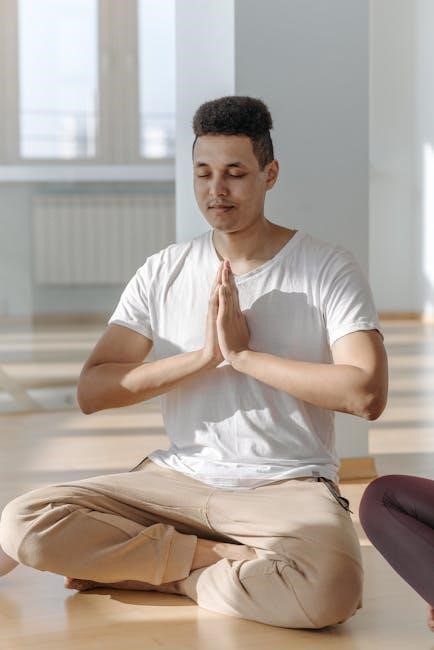
Introduce the Safe Place as a positive choice‚ not a punishment‚ emphasizing its role in regaining control and practicing active calming.
Regularly revisit and reinforce the purpose of the Safe Place‚ ensuring children understand its availability and benefits.
Using Visual Aids: The Role of Breathing Icons
Breathing Icons are a cornerstone of Conscious Discipline’s approach‚ readily available as a PDF download‚ and significantly enhance the effectiveness of breathing exercises with children.
These visual cues provide a non-verbal reminder of the techniques – S.T.A.R.‚ Drain‚ Balloon‚ and Pretzel – making them accessible even when children are overwhelmed with emotion.
The icons serve as a bridge to self-regulation‚ prompting children to recall and implement the learned calming strategies.
Downloadable resources offer various sizes‚ including letter-sized color printouts‚ allowing for flexible placement in classrooms and homes.
Utilize the icons in the designated “Safe Place‚” on calming boards‚ or as individual cards for children to carry.
Consistent exposure to these visuals reinforces the connection between the image and the corresponding breathing technique‚ fostering independence in self-soothing;
They are invaluable tools for promoting self-control and emotional intelligence.
Integrating Breathing into Daily Routines
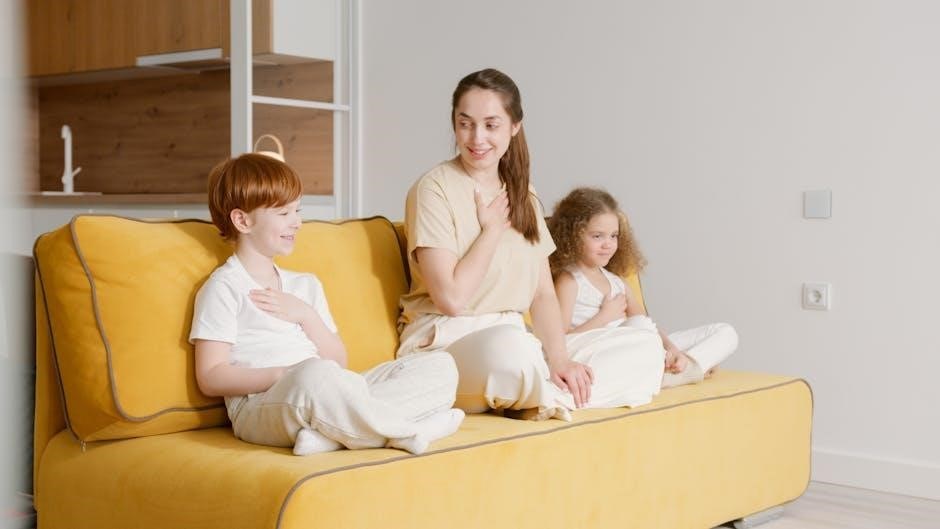
Successfully embedding Conscious Discipline breathing techniques requires consistent integration into everyday routines‚ supported by readily available PDF resources like the Safe Place Breathing Icons.
Begin by incorporating short breathing breaks during transitions – before circle time‚ after playtime‚ or before starting a new activity.
Model deep breathing yourself‚ demonstrating its calming effect and normalizing its use for all.
Utilize the S.T.A.R.‚ Drain‚ Balloon‚ and Pretzel techniques proactively‚ not just reactively‚ to prevent escalation of emotions.
Create designated “breathing buddies” or partner activities where children remind each other to practice deep breaths.
Reference the icons throughout the day as visual prompts‚ reinforcing the connection between the image and the calming practice.
This consistent practice builds self-regulation skills and fosters a classroom culture of emotional safety.

Breathing Techniques for Specific Behavioral Challenges
Conscious Discipline’s PDF resources offer targeted breathing techniques to manage fussing and fits‚ promoting self-control and boosting emotional intelligence.
Utilize active calming strategies for immediate regulation.
Managing Fussing and Fits with Deep Breathing
Deep breathing is a foundational skill in Conscious Discipline‚ particularly effective when addressing fussing and fits in children. The downloadable PDF resources‚ specifically the Safe Place Breathing Icons‚ provide accessible tools for both educators and parents.
When a child begins to escalate‚ prompting them to engage in S.T.A.R.‚ Drain‚ Balloon‚ or Pretzel breathing can interrupt the fight‚ flight‚ or freeze response. These active calming techniques physically alter the body’s state‚ shifting from a stressed reaction to a more regulated one.
Encourage the child to focus on their breath‚ using the visual icons as a guide. Three deep breaths are often sufficient to begin de-escalation. Consistent practice builds self-regulation skills‚ empowering children to manage their emotions independently and reducing the intensity and duration of challenging behaviors. Remember to model deep breathing yourself!
Promoting Self-Control Through Active Calming
Conscious Discipline emphasizes that self-control isn’t about suppressing emotions‚ but about managing them effectively. Active calming techniques‚ detailed in the downloadable PDF resources like the Safe Place Breathing Icons‚ are central to this approach.
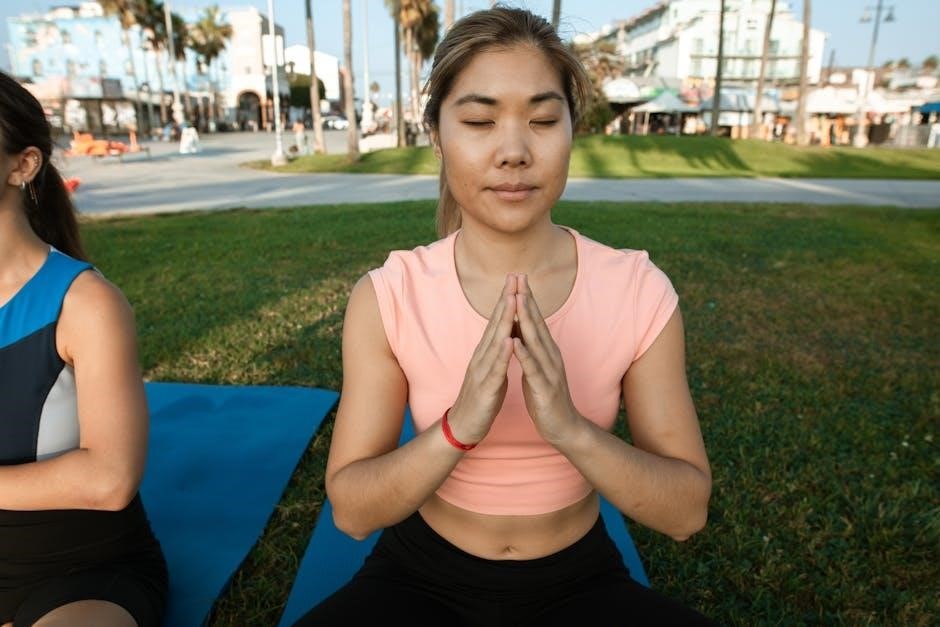
Techniques such as S.T.A.R.‚ Drain‚ Balloon‚ and Pretzel breathing provide children with concrete strategies to regain composure. These aren’t simply relaxation exercises; they are active processes that engage the body and brain in a calming response.
By regularly practicing these techniques‚ children develop the ability to recognize early signs of escalating emotions and proactively utilize breathing to regain control. The visual icons serve as reminders and support independent use. This fosters a sense of agency and empowers children to navigate challenges with greater resilience and emotional maturity.
Enhancing Emotional Intelligence with Breathing Practices
Conscious Discipline’s breathing techniques‚ readily available as a PDF download featuring Safe Place Breathing Icons‚ directly contribute to the development of emotional intelligence in children. These practices move beyond simple emotional recognition to foster skillful emotional regulation.
The S.T.A.R.‚ Drain‚ Balloon‚ and Pretzel techniques encourage children to become aware of their internal states – recognizing physical sensations associated with different emotions. This self-awareness is a cornerstone of emotional intelligence.
Regular practice helps children understand that emotions are temporary and manageable. By actively calming themselves through breathing‚ they learn to respond to challenging situations with thoughtful consideration rather than impulsive reactions. This builds empathy‚ improves social skills‚ and promotes overall well-being‚ fostering a deeper understanding of themselves and others.
Resources & Further Learning
Conscious Discipline provides free PDF downloads of Safe Place Breathing Icons‚ alongside workshops and training to deepen your understanding of these techniques.
Explore resources supporting social-emotional learning and discover tailored solutions for teachers‚ parents‚ and staff.
Free Downloadable Breathing Icons & Materials
Conscious Discipline generously offers a wealth of free‚ downloadable materials to support the implementation of their breathing techniques‚ readily available as PDF documents.
Specifically‚ the Safe Place Breathing Icons are a cornerstone resource‚ designed to visually guide both educators and parents in teaching children effective calming strategies.
These icons illustrate the S.T.A.R.‚ Drain‚ Balloon‚ and Pretzel active calming techniques‚ providing clear visual cues for young learners.
You’ll find these icons available in multiple sizes for versatile use: four per page (icon only)‚ four per page with instructions‚ two per page‚ and full-page options.
Color printouts are also included‚ ensuring accessibility and visual appeal.
This comprehensive download equips you with everything needed to introduce and reinforce these vital self-regulation skills‚ fostering a calmer and more supportive learning environment.
Access these valuable tools directly from the Conscious Discipline website to begin empowering children with lifelong coping mechanisms.
Conscious Discipline Workshops & Training
Conscious Discipline provides extensive workshops and training opportunities designed to deepen your understanding and skillful application of their methods‚ including the powerful breathing techniques detailed in available PDF resources;
These immersive experiences go beyond simply learning the techniques; they explore the underlying neuroscience and practical strategies for implementation.
Workshops like “Head Start with Heart: Becoming a More Conscious Leader” offer specialized training for early childhood professionals.
Participants learn how to integrate S.T.A.R.‚ Drain‚ Balloon‚ and Pretzel breathing exercises into daily routines and proactively address challenging behaviors.
Training focuses on fostering self-regulation‚ emotional intelligence‚ and creating a safe and supportive classroom environment.
Conscious Discipline offers both free and premium membership options‚ unlocking access to a wider range of resources and advanced training modules.
Investing in professional development ensures lasting impact and empowers educators to effectively support children’s social-emotional growth.
The Connection to Social-Emotional Learning (SEL)
Conscious Discipline’s breathing techniques are fundamentally aligned with the core principles of Social-Emotional Learning (SEL)‚ offering practical tools to cultivate essential life skills.
The S.T.A.R.‚ Drain‚ Balloon‚ and Pretzel exercises‚ readily available in PDF format‚ directly support the development of self-regulation‚ a cornerstone of SEL.
By teaching children to manage their emotional states through deep breathing‚ we empower them to navigate challenges with greater resilience and empathy.
These techniques foster self-control‚ enhance emotional intelligence‚ and promote positive relationships.
Conscious Discipline recognizes that emotional regulation is not about suppressing feelings‚ but about learning to respond thoughtfully rather than reactively.
Integrating these practices into daily routines creates a classroom culture of safety‚ respect‚ and emotional awareness.
Ultimately‚ breathing techniques serve as a powerful bridge between emotional experience and skillful social interaction.