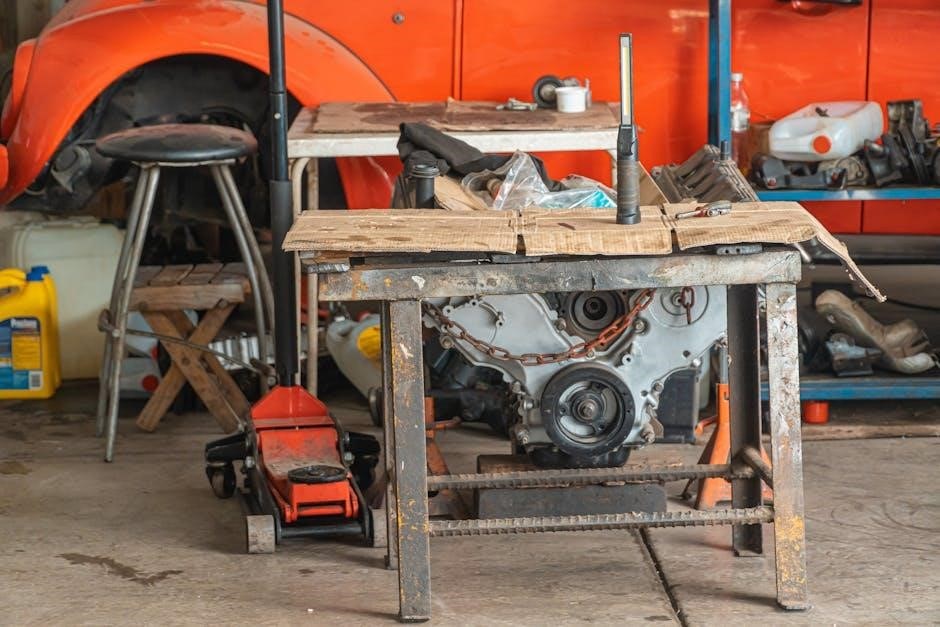
Embarking on a manual transmission swap involves significant financial planning, ranging from a few hundred to several thousand dollars.
This depends heavily on vehicle specifics and labor choices.
What is a Manual Swap?
A manual swap is the process of replacing a vehicle’s original automatic transmission with a manual one. This conversion isn’t simply a gearbox change; it’s a comprehensive system overhaul. It necessitates replacing numerous components beyond the transmission itself, including the clutch, flywheel, pedal assembly, and potentially the ECU for proper operation.
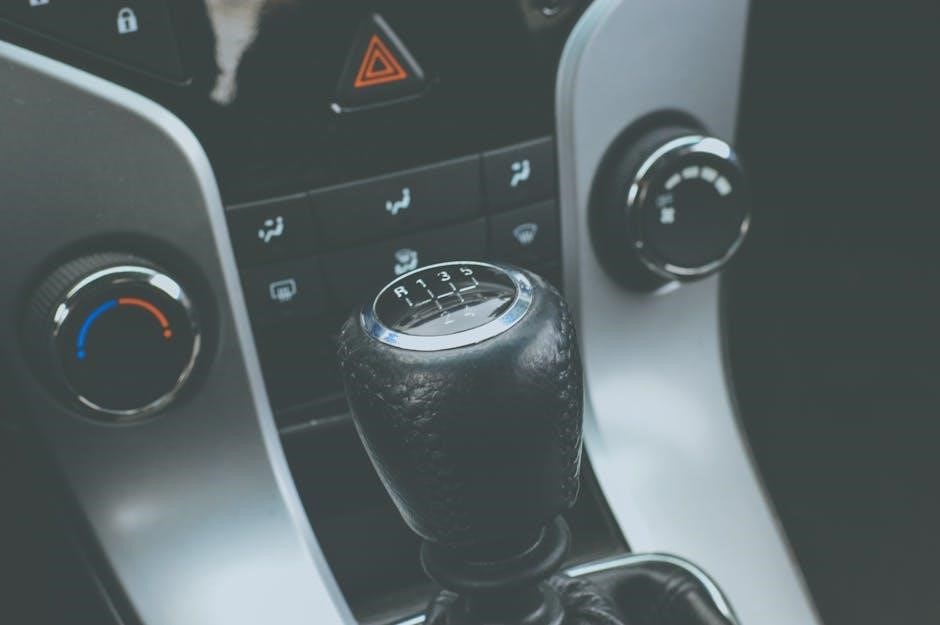
The complexity arises from the differing mechanical and electronic requirements of each transmission type. Successful swaps demand careful planning, sourcing compatible parts, and often, professional installation to ensure reliability and drivability. It’s a project undertaken by enthusiasts seeking a more engaging driving experience.
Why Choose a Manual Swap?
The allure of a manual swap stems from a desire for enhanced driver control and a more connected feel to the vehicle. Many enthusiasts prefer the direct engagement and responsiveness a manual transmission offers, contrasting with the convenience of an automatic.
Beyond driving pleasure, manual transmissions can sometimes improve fuel efficiency and offer simpler mechanics, potentially reducing long-term maintenance costs. For some, it’s about restoring a vehicle to its original, intended configuration, or simply personalizing their driving experience. It’s a commitment to a specific driving style.

Factors Influencing Manual Swap Costs
Several key elements dictate the final price of a manual swap, including vehicle model, transmission source, labor rates, and necessary component availability.
Vehicle Make and Model
The vehicle’s origin profoundly impacts swap costs. Popular models like Honda and Subaru often benefit from a larger aftermarket and readily available parts, potentially lowering expenses. Conversely, less common or luxury vehicles—like BMW—may require sourcing rarer components, significantly increasing costs.
Certain makes necessitate more extensive modifications than others. For instance, front-wheel-drive to rear-wheel-drive conversions are inherently more complex and expensive. The specific model year also matters, as some years have unique challenges or require specific adapters. Ultimately, the make and model dictate the scope of work and, therefore, the overall investment.
Transmission Availability
The scarcity of a compatible manual transmission directly influences its price. Commonly swapped transmissions, like those from popular Honda or Subaru models, are generally more affordable and easier to locate through online marketplaces and specialty shops. However, transmissions for less common vehicles can be challenging to find.
Limited availability drives up demand and, consequently, the cost. A transmission in good working order may command a premium. Furthermore, shipping costs for a bulky item like a transmission can add a substantial amount to the overall expense, especially if sourced from a distant location.
Condition of the Donor Transmission
The mechanical condition of the donor transmission is a critical cost factor. A used transmission, while cheaper upfront, may harbor hidden issues requiring immediate repair or rebuild. Expect to pay more for a transmission with documented service history and a recent inspection.
Transmissions with high mileage or signs of wear – like grinding gears or slipping clutches – will necessitate additional investment. A rebuilt transmission offers a balance between cost and reliability, while a new transmission provides the highest assurance but carries the largest price tag.
Labor Costs: Geographic Location
Labor rates for a manual swap vary dramatically based on location. Metropolitan areas and regions with a higher cost of living typically command significantly higher hourly shop rates. Expect to pay more in cities like New York or Los Angeles compared to rural areas.
Independent mechanics often offer lower labor costs than dealerships or specialized performance shops. However, ensure the mechanic has experience with manual swaps to avoid complications. Obtaining quotes from multiple shops is crucial for securing a competitive price.

Detailed Breakdown of Manual Swap Costs
Component costs include the transmission itself, a clutch kit, flywheel, and potentially ECU tuning. Additional expenses cover wiring, pedals, and driveshaft modifications.
Transmission Cost (Used vs. New)
The transmission represents a substantial portion of the manual swap budget. Used transmissions can range from $300 to $1,500, depending on the vehicle make, model, condition, and mileage. Sourcing from online marketplaces or salvage yards offers cost savings, but requires careful inspection for potential issues.
A new transmission, while more expensive—typically $1,800 to $3,500 or higher—provides greater reliability and often includes a warranty. The choice hinges on budget constraints and risk tolerance. Consider potential rebuild costs for a used unit versus the peace of mind offered by a new one.
Clutch Kit Cost
A complete clutch kit is essential for a manual swap, encompassing the pressure plate, clutch disc, throw-out bearing, and alignment tool. Costs generally fall between $200 and $800, varying based on vehicle type and clutch performance level.
Basic kits suitable for stock power levels are more affordable, while upgraded kits designed for higher horsepower engines command a premium. Consider the vehicle’s intended use; a heavy-duty clutch is advisable for performance applications. Quality brands offer improved durability and smoother engagement.
Flywheel Cost
The flywheel is a critical component in a manual swap, often requiring replacement or resurfacing to ensure compatibility and proper function. New flywheels typically range from $150 to $600, depending on the vehicle and material.
Lightweight flywheels can improve engine responsiveness but may increase noise and vibration. Dual-mass flywheels, common in some modern vehicles, are more expensive to replace but offer smoother operation. Resurfacing an existing flywheel is a cheaper option, costing around $50-$150, but its suitability depends on its condition.
ECU Tuning/Programming Costs
Modern vehicles often require Electronic Control Unit (ECU) tuning after a manual swap to optimize performance and eliminate error codes. Costs vary significantly, ranging from $300 to $1000 or more, depending on the vehicle and tuning method.
A custom tune is generally recommended for optimal results, while a pre-made tune may suffice for simpler swaps. Some vehicles may require a standalone ECU, adding substantial cost. Proper tuning ensures correct sensor readings, throttle response, and overall engine management, preventing potential damage and maximizing drivability.
Wiring Harness Modification Costs
Adapting the vehicle’s wiring harness to accommodate the manual transmission often necessitates modifications, adding to the overall swap expense. Costs typically range from $200 to $800, depending on the vehicle’s complexity and the extent of required changes.
This involves integrating signals for the clutch switch, reverse lights, and potentially the speedometer. Some swaps require splicing into existing wires, while others may benefit from a custom wiring harness. Professional wiring services are recommended to ensure a reliable and safe installation, avoiding potential electrical issues.
Pedal Assembly & Master Cylinder Costs
A crucial component of a manual swap is acquiring a compatible pedal assembly, including the clutch pedal, and a matching master cylinder. Expect to spend between $300 and $700 for these parts, varying based on the vehicle and whether you opt for new or used components.
Sourcing a complete assembly from a donor vehicle is often more cost-effective. However, ensure it’s in good working condition. New pedal assemblies and master cylinders offer reliability but come at a higher price point. Proper installation is vital for smooth clutch operation and driver safety.
Shifter Assembly & Linkage Costs
The shifter assembly and associated linkage represent another significant expense in a manual swap, typically ranging from $200 to $600. This cost depends on the desired shifter style – short throw, stock, or aftermarket – and the complexity of the linkage required for your specific vehicle.
Used shifter assemblies can be found for less, but inspect them carefully for wear and tear. Aftermarket shifters often provide improved feel and precision, justifying the higher cost. Don’t forget to factor in the cost of bushings and any necessary linkage adjustments for optimal performance.
Driveshaft Modification/Replacement Costs
Driveshaft alterations or a complete replacement frequently become necessary during a manual swap, adding $300 to $800 to the overall budget. Automatic and manual transmissions often have differing output shaft lengths, necessitating driveshaft adjustments to ensure proper fitment and function.
Simple modifications, like shortening the driveshaft, can be less expensive. However, a custom-built driveshaft might be required for certain vehicles, significantly increasing the cost. Consider the driveshaft’s condition; a worn driveshaft should be replaced rather than modified, ensuring long-term reliability.
Mounting Hardware & Miscellaneous Parts
Budgeting for mounting hardware and miscellaneous parts is crucial, typically ranging from $100 to $500. These seemingly small items accumulate quickly during a manual swap. Expect to purchase new transmission mounts, shifter bushings, and potentially crossmember reinforcements.
Don’t overlook smaller necessities like bolts, washers, and fluid lines. Often, existing hardware is either incompatible or in poor condition. Having a comprehensive parts list and accounting for these extras prevents frustrating delays and unexpected expenses during the installation process.
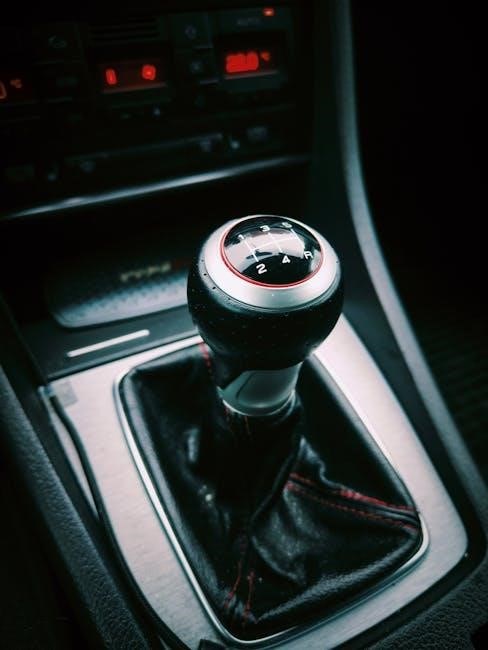
Labor Costs: A Deeper Dive
Labor represents a substantial portion of manual swap costs, generally between $500 and $1500, varying with shop rates and complexity of the vehicle.
Average Labor Hours for a Manual Swap
Estimating labor hours is crucial for budgeting a manual swap. A straightforward swap, assuming no significant complications or custom fabrication, typically requires between 20 to 40 hours of skilled labor. However, this timeframe can dramatically increase depending on the vehicle’s make and model, the presence of corrosion, or the need for extensive wiring modifications. More complex swaps, particularly in newer vehicles with integrated electronic systems, can easily exceed 50 or even 60 labor hours.
Accurate assessment by a qualified mechanic is vital for a realistic cost projection, considering potential unforeseen issues that may arise during the process.
Shop Rates vs. Independent Mechanic Rates
Labor costs vary significantly based on where the swap is performed. Dealerships generally command the highest hourly rates, often ranging from $150 to $200 or more, due to overhead and specialized equipment. Established repair shops typically fall in the $100 to $150 per hour range, offering a balance of experience and cost. Independent mechanics, particularly those specializing in performance or custom work, may offer rates between $75 and $125 per hour.
However, verifying their qualifications and insurance is essential before entrusting them with the project.
Complexity & Potential Complications
Manual swaps aren’t always straightforward; unforeseen issues can inflate costs. Older or heavily modified vehicles may present unique challenges, like corroded bolts or incompatible parts. Discovering hidden damage during the process – to the transmission tunnel, for example – necessitates additional fabrication or repair work.
Electrical gremlins, requiring extensive wiring diagnosis and correction, are also common. Budgeting for a contingency fund of 10-20% of the estimated cost is prudent to address these potential complications effectively.
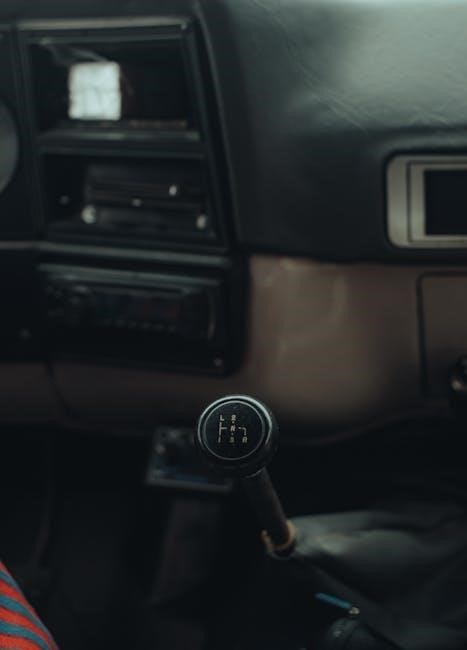
Potential Additional Costs
Beyond core components, anticipate expenses like fluid changes, post-swap inspections, and shipping fees for parts. Unexpected repairs can also emerge during installation.
Unexpected Repairs During the Swap
During a manual swap, unforeseen issues frequently arise, impacting the overall budget. Rust on the chassis requiring welding, damaged bolts needing extraction, or discovering worn components while accessing the transmission are common. These hidden problems necessitate immediate attention, adding to parts and labor costs.
For instance, a seized clutch slave cylinder or a cracked bell housing can quickly inflate the bill.
Thorough inspection is crucial, but some issues remain hidden until disassembly.
Budgeting an extra 10-20% for contingencies is highly recommended to mitigate these unexpected repair expenses and ensure a smoother, less financially stressful conversion process.
Fluid Changes (Transmission, Clutch)
Post-swap, essential fluid changes contribute to the overall manual swap cost. The new transmission requires filling with the correct gear oil, typically ranging from $80 to $200 depending on the type and quantity. Furthermore, the clutch hydraulic system necessitates a brake fluid flush – around $100-$150 for parts and labor. Neglecting these fluid changes risks premature component wear and potential failure.
Using high-quality fluids is paramount for longevity.
Factor in disposal fees for the old fluids, adding a small but necessary expense to the total project cost.
Post-Swap Inspection & Adjustments
A thorough post-swap inspection is crucial, adding to the manual swap’s final cost. Expect to spend $200-$500 for a professional assessment, covering clutch engagement, shifter alignment, and overall system functionality. Adjustments are often needed to optimize pedal feel and ensure smooth gear changes. Diagnostic scans can reveal any error codes triggered during the process. Ignoring this step risks drivability issues and potential damage. Prioritize a qualified mechanic for this vital stage, guaranteeing a safe and reliable driving experience after the investment.
Shipping Costs for Parts
Don’t underestimate shipping expenses when calculating a manual swap’s total cost. Transmissions, flywheels, and pedal assemblies are bulky and heavy, leading to substantial freight charges – potentially $200 to $800 or more, depending on distance and weight. Sourcing parts from multiple vendors increases these costs. Carefully consider shipping when comparing prices; a cheaper part might become less attractive with high delivery fees. Local pickup is ideal if feasible, eliminating shipping altogether and offering cost savings for your project.

Cost Ranges by Vehicle Type
Manual swap costs vary significantly by vehicle; Hondas/Acuras typically range from $1,500-$3,000, while BMWs and Subarus can exceed $3,500, and Fords/GMs fall between.
Manual Swap Cost for Honda/Acura
Honda and Acura manual swaps are often considered relatively straightforward, leading to potentially lower costs compared to other makes. Generally, expect to invest between $1,500 and $3,000 for a complete conversion. A used transmission can be sourced for $500-$1,500, while a new clutch kit typically ranges from $200-$500.
The flywheel adds another $150-$300 to the budget. ECU tuning, crucial for proper operation, can cost $300-$800. Labor, if outsourced, will likely fall between $800-$1,500, depending on shop rates and complexity. Don’t forget smaller expenses like the pedal assembly and shifter components, adding another $200-$400 overall.
Manual Swap Cost for BMW
BMW manual swaps are notoriously more complex and, consequently, more expensive. Budget between $2,500 and $5,000, potentially exceeding this range for higher-end models or extensive modifications. A used BMW transmission can range from $800 to $2,500, while a new clutch kit typically costs $400-$800.
The flywheel can add $200-$500 to the total. Crucially, BMWs often require significant ECU tuning and coding, costing $500-$1,200. Labor is also a substantial expense, ranging from $1,200 to $2,500 due to the intricate nature of the work. Factor in additional costs for pedal assemblies and shifter mechanisms, around $300-$600.
Manual Swap Cost for Subaru
Subaru manual swaps generally fall in the $1,500 to $3,500 range, offering a relatively accessible entry point compared to other brands. A used Subaru transmission can be sourced for $500 to $1,500, depending on condition and model. Clutch kits typically cost between $300 and $600, while a flywheel adds another $150 to $400.
ECU tuning, while often necessary, is usually less expensive than for BMWs, around $300-$800. Labor costs range from $800 to $1,500. Don’t forget the pedal assembly and shifter components, costing approximately $200-$500. Subaru’s robust aftermarket support can help manage costs effectively.
Manual Swap Cost for Ford/GM
Ford and GM manual swaps typically range from $1,200 to $3,000, presenting a broad spectrum of costs based on the vehicle and transmission choice. Used transmissions can be found for $400 to $1,200, while new options start around $1,500. Clutch kits generally cost $250 to $500, and a flywheel adds $100 to $300.
ECU tuning can range from $200 to $600, depending on the engine. Labor costs are usually between $700 and $1,400. Pedal assemblies and shifter components add another $200-$400 to the total expense. Parts availability is generally good, keeping costs manageable.

DIY vs. Professional Installation
DIY swaps save on labor, potentially cutting costs by $700-$1,400, but require significant mechanical skill and specialized tools for a successful outcome.
Pros and Cons of DIY Manual Swaps
Undertaking a manual swap yourself presents compelling advantages, primarily substantial cost savings. Eliminating labor charges, which can easily reach $800 to $1,500 or more, directly reduces the overall project expense. However, this path demands a high degree of mechanical aptitude, access to specialized tools – including lifts, torque wrenches, and potentially welding equipment – and a considerable time commitment.
Conversely, DIY attempts carry inherent risks. Incorrect installation can lead to transmission damage, safety hazards, or diminished vehicle performance. Troubleshooting unforeseen complications can be frustrating and costly, potentially negating initial savings. A professional installation, while pricier, offers expertise, warranty protection, and peace of mind.
Tools Required for a DIY Manual Swap
Successfully completing a DIY manual swap necessitates a comprehensive toolkit beyond basic mechanics. Essential items include a full socket set (metric and standard), various wrenches, torque wrenches (covering a wide range), and a hydraulic floor jack with jack stands for safe vehicle support. A transmission jack is crucial for handling the weight of the gearbox.
Furthermore, specialized tools may be required, such as a clutch alignment tool, flywheel holding tool, and potentially a wiring crimper/soldering iron for harness modifications. Diagnostic tools for ECU tuning are also vital. The cost of acquiring these tools can range from a few hundred to over a thousand dollars, impacting the overall project budget.
Skill Level Required for a DIY Manual Swap
A manual transmission swap isn’t a beginner-level automotive project; it demands substantial mechanical expertise. Proficiency in removing and installing drivetrain components, understanding wiring diagrams, and performing basic welding are essential. Experience with clutch systems, hydraulic lines, and potentially ECU reprogramming is highly beneficial.
Underestimating the complexity can lead to costly mistakes and safety hazards. While detailed guides exist, troubleshooting unexpected issues requires a strong diagnostic skillset. If lacking these skills, professional installation, despite the added cost, is a prudent investment to ensure a safe and reliable outcome.

Finding Parts and Resources
Locating components requires diligent searching through online marketplaces, specialty shops, and enthusiast forums, balancing cost with quality and availability for your swap.
Online Marketplaces for Used Transmissions
Numerous online platforms connect buyers and sellers of used manual transmissions, offering potential cost savings. eBay Motors is a popular choice, boasting a wide selection and competitive bidding. Facebook Marketplace frequently lists local options, reducing shipping expenses. Craigslist remains a viable source, though requiring careful inspection and verification.
When utilizing these marketplaces, thoroughly research the seller’s reputation and the transmission’s history. Request detailed photos and videos, and inquire about any known issues. Factor in shipping costs, which can significantly impact the overall price. Remember, a lower initial cost doesn’t always equate to the best value if the transmission requires extensive repairs.
Specialty Shops for Manual Swap Parts
Dedicated manual swap specialists offer curated kits and individual components, streamlining the process and potentially saving time. These shops often provide expert advice and support, invaluable for complex conversions. Companies like Vorshlag Motorsports and Rogue Engineering cater to specific vehicle makes, offering pre-assembled packages.
While generally more expensive than sourcing parts individually, specialty shops prioritize compatibility and quality. Their kits typically include essential items like the transmission, clutch, flywheel, and necessary adapters. This can reduce the risk of mismatched parts and simplify installation, ultimately impacting the total swap cost positively.
Online Forums and Communities
Engaging with online forums and communities dedicated to your vehicle make is an invaluable, often free, resource. These platforms host a wealth of knowledge from individuals who have completed similar manual swaps, offering insights into potential costs and challenges.
Forums like those on Reddit (r/cars, specific vehicle subreddits) and dedicated car enthusiast websites provide detailed build threads, parts lists, and cost breakdowns. Members frequently share experiences with different shops and parts suppliers, helping you avoid costly mistakes and optimize your budget for a successful swap.
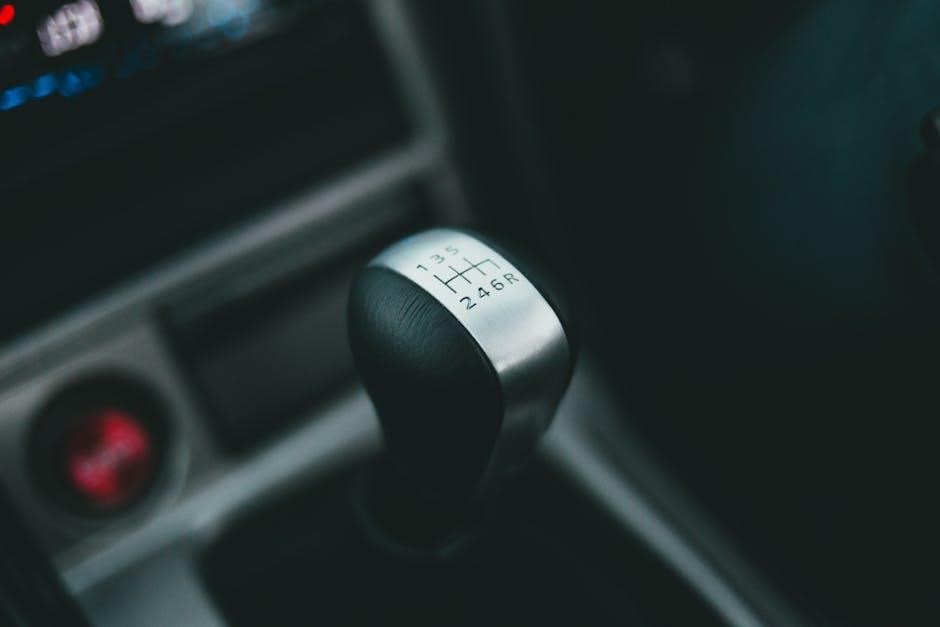
Long-Term Considerations
A manual swap can subtly affect resale value; however, a well-executed conversion often appeals to enthusiasts, potentially offsetting initial costs over time.
Potential Impact on Vehicle Value
The effect of a manual swap on your vehicle’s value is nuanced. While some buyers actively seek cars with manual transmissions, appreciating the driver engagement, others prefer automatics. A professionally done swap, documented with receipts, generally adds value to enthusiast communities. However, a poorly executed conversion could decrease value due to concerns about reliability or improper installation.
Generally, expect a return that doesn’t fully recoup the swap’s cost, but a well-maintained, desirable vehicle with a manual transmission often holds its value better over the long term, especially within niche markets.
Maintenance Requirements of a Manual Transmission
Manual transmissions, while generally robust, require specific maintenance to ensure longevity. Regular fluid changes (typically every 30,000-60,000 miles) are crucial, using the manufacturer-recommended gear oil. Clutch inspections are vital, watching for slippage or engagement issues. Synchronizer wear is a common concern, potentially requiring rebuild or replacement over time.
Compared to automatics, manuals often have lower long-term maintenance costs, avoiding expensive transmission services. However, driver habits significantly impact wear; aggressive shifting shortens component life. Proactive maintenance prevents costly repairs.