
Stainless steel manual meat grinders offer a traditional, hands-on approach to food preparation, empowering home cooks with control and precision.
These grinders, unlike electric models, rely on physical effort, providing a connection to the cooking process and ensuring quality results.
What is a Manual Meat Grinder?
A manual meat grinder is a kitchen tool designed to finely chop or mince meat using hand power, rather than electricity.
Historically, these grinders were essential for home cooks, and they remain popular today for those seeking control over meat quality and a connection to traditional cooking methods.
These devices typically consist of a hopper for feeding meat, a grinding plate with holes, a cutting blade, a handle for operation, and a clamping mechanism to secure the grinder to a surface.
The user turns the handle, forcing the meat through the grinding plate and blade, resulting in ground meat.
Why Choose Stainless Steel?
Stainless steel is a superior material for manual meat grinders due to its exceptional durability, resistance to rust, and hygienic properties.
Unlike grinders made from cast iron or other metals, stainless steel won’t corrode, ensuring longevity and food safety.
It’s also non-porous, preventing bacteria buildup and making cleaning significantly easier.
Furthermore, stainless steel offers a sleek, professional aesthetic and maintains its shine even with frequent use, making it a worthwhile investment.
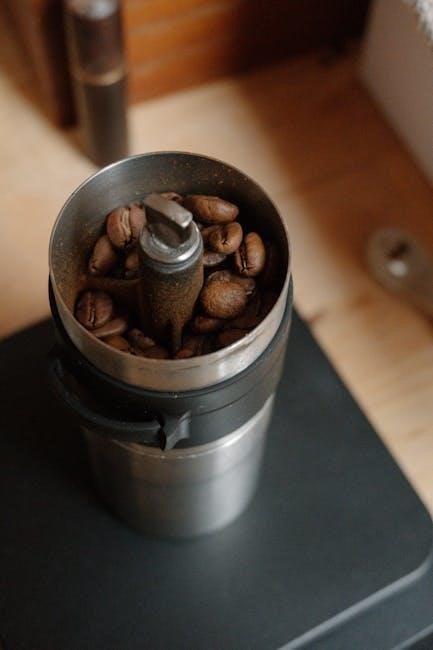
Key Components of a Stainless Steel Manual Meat Grinder
Essential parts include grinding plates, cutting blades, a robust handle with a clamping mechanism, and a collection pan or bowl for freshly ground meat.
Grinding Plates (Discs)
Grinding plates, or discs, are arguably the most crucial component, determining the final texture of your ground meat. Typically made of stainless steel, these discs feature varying hole sizes.
Smaller holes create a finer grind, ideal for sausages or pâtés, while larger holes produce a coarser texture perfect for burgers or meatloaf.
Many grinders include a selection of plates, offering versatility. Regularly inspecting and replacing worn plates ensures optimal performance and consistent results.
Cutting Blades
Cutting blades work in tandem with the grinding plates to efficiently process meat. These blades, also typically constructed from durable stainless steel, rotate to chop the meat into smaller pieces.
The blade’s design and sharpness are critical for smooth operation and preventing clogging. A cross-shaped blade is common, effectively pre-cutting the meat before it passes through the plate.
Maintaining blade sharpness is essential; dull blades require more force and yield a less consistent grind. Replacement blades are readily available.
Handle and Clamping Mechanism
The handle and clamping mechanism are vital for secure operation. A robust handle provides leverage for turning the grinder, requiring manual force to push meat through.
The clamping mechanism firmly attaches the grinder to a countertop or table, preventing movement during use. This stability is crucial for efficient grinding and user safety.
Look for grinders with comfortable, ergonomic handles and strong, reliable clamps to ensure ease of use and prevent slippage during operation.
Collection Pan/Bowl
The collection pan or bowl is an essential component, catching the ground meat as it exits the grinder. Typically made of stainless steel or durable plastic, it provides a convenient receptacle for the processed meat.
Consider the size of the pan; larger capacities reduce the need for frequent emptying. Some grinders include a secure attachment system, preventing accidental dislodging during operation.
Easy removal and cleaning of the collection pan are also important features for maintaining hygiene and simplifying post-grinding cleanup.
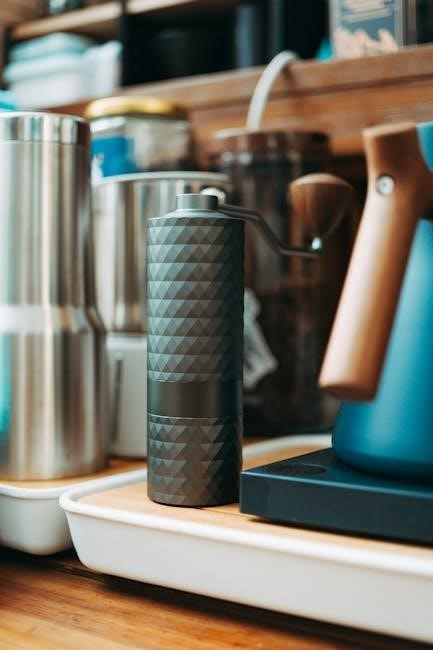
Benefits of Using a Manual Meat Grinder
Manual meat grinders provide superior control over meat quality, eliminate electricity costs, operate quietly, and offer a cost-effective alternative to electric models.
Control Over Meat Quality
Stainless steel manual meat grinders empower you to meticulously select your meat sources, ensuring optimal freshness and quality. Unlike pre-ground meat from the store, you dictate exactly what goes into your meals, avoiding unwanted additives or fillers.
This direct control extends to the grind size; easily adjust the plates for coarse or fine textures, perfectly suited for sausages, burgers, or meatloaf. You can even re-grind tougher cuts, transforming them into tender, flavorful ingredients, enhancing your culinary creations.
Cost-Effectiveness
Stainless steel manual meat grinders represent a smart, long-term investment for budget-conscious cooks. While the initial purchase requires an outlay, it eliminates the ongoing expense of buying pre-ground meat, which often carries a premium price.
Furthermore, these grinders boast remarkable durability, constructed from robust stainless steel, promising years of reliable service. Avoiding electricity consumption also contributes to savings, making it an economical and sustainable choice for your kitchen.
No Electricity Required
Stainless steel manual meat grinders offer unparalleled convenience by operating entirely without electricity. This feature makes them ideal for camping trips, off-grid living, or situations where power access is limited or unavailable.
Their self-contained design ensures functionality regardless of external power sources, providing a reliable solution for grinding meat anytime, anywhere. This independence also eliminates concerns about power outages interrupting your culinary endeavors.
Quiet Operation
Stainless steel manual meat grinders stand in stark contrast to their electric counterparts with their remarkably quiet operation. Unlike the often-loud whirring and grinding of electric models, manual grinders produce minimal noise during use.
This quietness allows for grinding meat at any time of day or night without disturbing family members or neighbors, offering a peaceful and unobtrusive cooking experience. It’s a significant benefit for those seeking a serene kitchen environment.
Types of Stainless Steel Manual Meat Grinders
Stainless steel manual meat grinders come in various designs, including table mount, suction base, and wall mount options, catering to diverse kitchen setups and preferences.
Table Mount Meat Grinders
Table mount meat grinders are perhaps the most common type, featuring a robust base designed to sit securely on a countertop or table.
These grinders typically utilize a screw clamping mechanism to firmly attach to the work surface, providing stability during operation.
Their design often prioritizes ease of use and accessibility, making them a popular choice for both beginner and experienced cooks.
Constructed from stainless steel, they offer durability and resistance to corrosion, ensuring longevity and hygienic food preparation.
Suction Base Meat Grinders
Suction base meat grinders offer a convenient, space-saving alternative to traditional table mount models.
These grinders feature a powerful suction cup base that adheres to smooth, non-porous surfaces, eliminating the need for clamping.
This design provides excellent stability during grinding, even with significant force applied.
Constructed with stainless steel components, they maintain durability and hygiene. They are ideal for smaller kitchens or those seeking portability, offering a secure and reliable grinding experience.
Wall Mount Meat Grinders
Wall mount meat grinders represent a robust and space-efficient solution for dedicated home cooks and those with limited counter space.
These grinders securely attach to a wall, providing exceptional stability during operation, even when processing tougher cuts of meat.
Typically constructed from durable stainless steel, they offer longevity and resistance to corrosion.
While less portable than other types, wall mount grinders deliver unparalleled grinding power and are ideal for frequent, heavy-duty use, ensuring a firm and stable platform.

Factors to Consider When Buying
When selecting a grinder, prioritize size, cleaning ease, and material durability for long-lasting performance. User reviews offer valuable insights into real-world experiences.
Size and Capacity
Determining the right size depends on your typical batch sizes and available kitchen space. Stainless steel manual meat grinders come in various capacities, ranging from smaller models suitable for individual or couple use, to larger ones designed for families or those who frequently process meat.
Consider how much meat you usually grind at once. A smaller grinder might suffice for burgers, while larger quantities for sausage or meatloaf necessitate a bigger capacity. Also, assess the grinder’s physical dimensions to ensure it fits comfortably on your countertop or can be easily stored.
Ease of Cleaning
A crucial factor when choosing a stainless steel manual meat grinder is how easily it disassembles and cleans. Look for models with removable parts – grinding plates, blades, and collection pans – that can be washed separately, ideally in a dishwasher.
Stainless steel itself is non-porous and resists staining, simplifying the cleaning process. Avoid grinders with intricate designs or hard-to-reach areas where food particles can accumulate. Thorough cleaning prevents bacterial growth and ensures longevity.
Durability of Materials
Investing in a stainless steel manual meat grinder means prioritizing longevity. The quality of stainless steel directly impacts the grinder’s resistance to rust, corrosion, and wear.
Look for grinders constructed from heavy-duty stainless steel, particularly for the grinding plates and blades. A robust clamping mechanism is also vital. Avoid models with significant plastic components, as they are prone to cracking. A durable grinder withstands frequent use and delivers years of reliable performance.
User Reviews and Ratings
Before purchasing a stainless steel manual meat grinder, thoroughly examine user reviews and ratings. These provide invaluable insights into real-world performance and potential issues.
Pay attention to comments regarding ease of use, grinding efficiency, and build quality. Look for consistent feedback – repeated mentions of a specific problem are red flags. Consider reviews from verified purchasers for greater reliability. User experiences offer a practical perspective beyond marketing claims.
How to Use a Stainless Steel Manual Meat Grinder
Proper usage involves preparing the meat, securely assembling the grinder, and utilizing consistent, firm pressure on the handle for efficient grinding.
Cleaning immediately after use ensures longevity and prevents rust.
Preparing the Meat
Before grinding, proper meat preparation is crucial for optimal results and to prevent damage to your grinder. Begin by trimming away any excess fat, gristle, or bone fragments.
Cut the meat into strips approximately 1-inch by 1-inch and 3-4 inches long; this size facilitates smoother feeding into the grinder’s opening.
Partially freezing the meat for 15-30 minutes firms it up, making it easier to grind and preventing it from becoming mushy during the process. Ensure the meat isn’t completely frozen, though!
Assembling the Grinder
Correct assembly is vital for safe and efficient operation of your stainless steel manual meat grinder. Begin by securely attaching the grinder to a stable surface using the clamping mechanism or suction base.
Insert the grinding plate, ensuring the correct side faces upwards – the side with the larger holes typically goes towards the exit.
Next, place the cutting blade onto the grinding plate, with the flat side facing the plate. Finally, screw on the grinder’s housing, tightening firmly but not excessively.
Grinding Process
With the grinder assembled, begin feeding chilled meat into the hopper. Apply steady, even pressure using the handle to turn the auger, pushing the meat towards the grinding plate and blade.
Avoid forcing the meat, as this can strain the grinder. Maintain a consistent rhythm for even grinding.
Collect the ground meat in a bowl or pan placed beneath the grinder’s outlet. Repeat until all the meat is processed, and enjoy your freshly ground product!
Cleaning and Maintenance
Disassemble the grinder immediately after each use. Wash all components – grinding plate, blade, auger, and housing – with warm, soapy water. Avoid abrasive cleaners that could damage the stainless steel.
Thoroughly dry each part before reassembling. Regularly oil moving parts to ensure smooth operation. Inspect for any signs of wear or damage, replacing parts as needed.
Proper cleaning and maintenance will extend the life of your grinder and maintain its performance.
Troubleshooting Common Issues
Addressing difficulties with a manual grinder often involves ensuring proper assembly, using sufficient force, and checking for obstructions in the grinding mechanism.
Grinder is Difficult to Turn
If your stainless steel manual meat grinder becomes hard to turn, several factors could be at play. First, ensure the meat isn’t cut into excessively large pieces; smaller chunks feed through easier.
Secondly, check for tough connective tissues or bone fragments obstructing the grinding plates or blade. Disassemble and thoroughly clean all components.
Finally, a lack of lubrication can increase friction; a very light coating of food-grade mineral oil on moving parts may help, but avoid over-oiling.
Meat is Not Grinding Properly
When meat isn’t grinding effectively with your stainless steel manual grinder, examine the sharpness of the cutting blade. A dull blade will smear instead of cut, causing blockage. Ensure you’re using the correct grinding plate for your desired texture – a smaller hole for finer grinds.
Also, partially freezing the meat can firm it up, aiding the process. Avoid overloading the grinder; feed meat in consistently, not in large clumps.
Parts are Not Fitting Correctly
If components of your grinder refuse to align, first ensure everything is clean and free of leftover meat or debris. Check the threading on screws and plates; damaged threads prevent secure fastening.
Refer to the grinder’s assembly diagram – often included in the manual – to confirm the correct order and orientation of each part. Avoid forcing pieces together, as this can cause further damage.
Comparing Manual vs. Electric Meat Grinders
Manual grinders prioritize control and affordability, while electric models excel in speed and efficiency. The choice depends on volume, budget, and desired involvement in the process.
Speed and Efficiency
Electric meat grinders undeniably win in terms of speed and efficiency. They can process large quantities of meat quickly, making them ideal for bulk grinding or frequent use.
Manual grinders, however, require physical effort and take considerably longer. The grinding speed is directly tied to the user’s strength and stamina.
While slower, this deliberate pace allows for greater control and a more mindful approach to food preparation. For smaller batches or occasional use, the efficiency gap is less significant.
Cost Comparison
Manual meat grinders are significantly more affordable upfront than their electric counterparts. A basic, yet durable, stainless steel manual grinder can be purchased for a fraction of the cost of even a budget-friendly electric model.
Electric grinders represent a larger initial investment, with prices increasing based on features and power. However, considering long-term costs, manual grinders eliminate electricity consumption.
Furthermore, manual grinders generally require fewer replacement parts, contributing to lower overall ownership expenses.
Control and Precision
Manual meat grinders grant unparalleled control over the grinding process, allowing cooks to dictate the texture of the meat precisely. Unlike electric models, you directly manage the feed rate and pressure, influencing the final result.
This hands-on approach is ideal for creating specific grinds for sausages, burgers, or meatloaf, ensuring optimal consistency and flavor.
You can also easily detect and remove unwanted gristle or bone fragments, guaranteeing a higher quality product.

Recipes to Try with Your Meat Grinder
Unleash culinary creativity! Your stainless steel manual grinder excels at homemade sausage, flavorful meatloaf, and perfectly textured burgers – enjoy fresh, delicious results.
Homemade Sausage
Crafting homemade sausage with your stainless steel manual grinder is a rewarding experience, allowing complete control over ingredients and seasonings. Begin with coarsely ground pork shoulder, then blend in your preferred spices – fennel seeds, paprika, garlic, and black pepper are excellent choices.
After thoroughly mixing the meat and spices, carefully feed the mixture through the grinder using a coarser grinding plate for a rustic texture. Stuff the sausage into natural or collagen casings, twisting to create links. The result? A flavorful, preservative-free sausage far superior to store-bought options!
Meatloaf
Elevate your meatloaf from ordinary to exceptional by grinding your own meat with a stainless steel manual grinder! Combining chuck, sirloin, and a touch of pork creates a flavorful base. Grind the meats together for a consistent texture, avoiding overly fine results – some coarseness is ideal.
Mix the ground meat with breadcrumbs, eggs, sautéed onions and peppers, and your favorite seasonings. The manual grinding process ensures a tender, juicy meatloaf, free from unwanted additives. Bake until golden brown for a comforting classic!
Burgers
Craft the perfect burger, starting with freshly ground meat using your stainless steel manual grinder! Choose cuts like chuck, brisket, or short rib for optimal flavor and fat content. Grind to your desired consistency – a coarser grind yields a more textured burger.
Season simply with salt and pepper, form into patties, and grill or pan-fry to perfection. Grinding your own meat guarantees a superior burger experience, free from fillers and preservatives, delivering unmatched taste and juiciness.
Where to Buy Stainless Steel Manual Meat Grinders
Find grinders at online retailers like Amazon, kitchen supply stores such as Williams Sonoma, and even hardware stores like Ace Hardware for options.
Online Retailers
Numerous online retailers offer a vast selection of stainless steel manual meat grinders, providing convenience and competitive pricing. Amazon stands out as a prominent source, featuring diverse brands and models alongside customer reviews for informed decisions.
Walmart’s online store also presents options, often with shipping benefits. Specialized kitchenware websites frequently curate high-quality grinders, catering to culinary enthusiasts. Comparing prices and reading detailed product descriptions across platforms is crucial before purchasing, ensuring you select a grinder that meets your specific needs and budget.
Kitchen Supply Stores
Dedicated kitchen supply stores provide a tactile shopping experience for stainless steel manual meat grinders, allowing customers to assess build quality firsthand. These stores often feature knowledgeable staff who can offer personalized recommendations based on your grinding needs and preferences.
Stores like Sur La Table and Williams Sonoma typically stock a curated selection of grinders, emphasizing durability and performance. Local culinary shops may also carry unique or specialized models. Visiting these stores enables you to compare different brands and handle the grinders before making a purchase.
Hardware Stores
Surprisingly, hardware stores like Ace Hardware and Home Depot can be excellent sources for stainless steel manual meat grinders, often offering competitive pricing. While their selection might not be as extensive as dedicated kitchen stores, they frequently carry robust, utilitarian models geared towards durability.
These grinders are often found alongside other food processing tools, and the staff can assist with understanding the mechanics and assembly. Hardware stores are a good option if you prioritize functionality and value over specialized features.
Caring for Your Stainless Steel Meat Grinder
Proper care extends the life of your grinder! Thorough cleaning, preventing rust, and careful storage are crucial for maintaining its performance and hygiene.
Proper Cleaning Techniques
Immediately after each use, disassemble your stainless steel manual meat grinder completely. Warm, soapy water is your best friend; avoid harsh abrasives that can damage the metal.
Pay close attention to the grinding plate and blades, ensuring all meat particles are removed. A small brush can be incredibly helpful for reaching tight spaces. Rinse thoroughly and dry each component individually before reassembling.
Dishwasher use may be possible for some parts, but handwashing is generally recommended to preserve the grinder’s longevity and prevent potential corrosion.
Preventing Rust
While stainless steel resists rust, it isn’t entirely immune, especially with prolonged exposure to moisture. Thorough drying after each cleaning is paramount; ensure all parts are completely dry before storage.
A light coating of food-grade mineral oil on the metal surfaces can create a protective barrier. Avoid storing the grinder in damp environments. Regularly inspect for any signs of discoloration or surface corrosion.
If rust appears, gently remove it with a stainless steel cleaner and re-oil the affected area to prevent recurrence and maintain optimal performance.
Long-Term Storage
For extended periods of disuse, proper storage is crucial for maintaining your stainless steel manual meat grinder. After a thorough cleaning and drying, lightly coat all metal parts with food-grade mineral oil.
Store the grinder disassembled in a cool, dry place, ideally within a protective bag or container to prevent dust accumulation. Avoid storing it directly on a damp surface.
Periodically check the grinder during storage and re-oil if necessary, ensuring it remains ready for use when you need it, preserving its longevity and functionality.