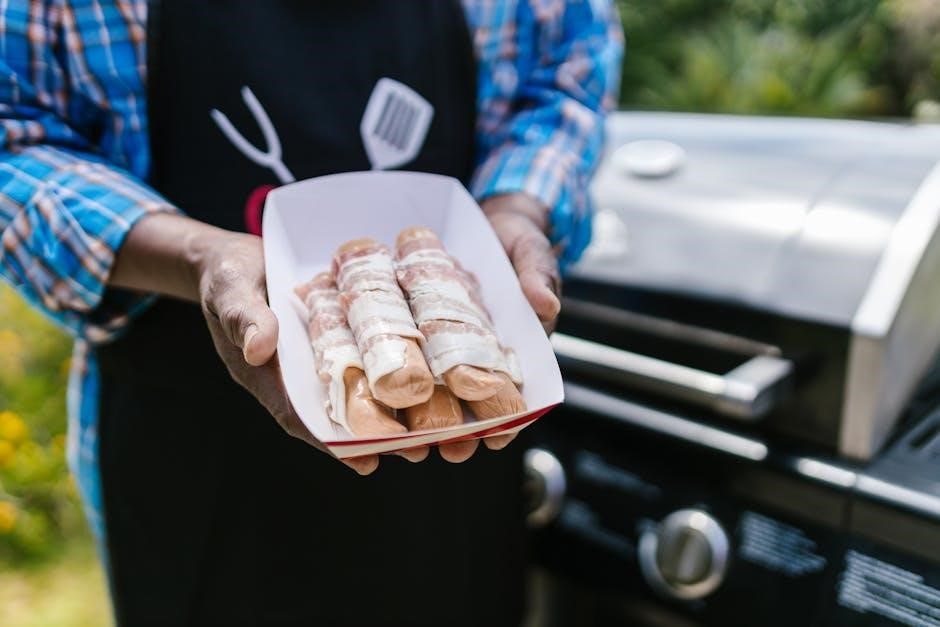
Smoking meat is an ancient culinary art, transforming ordinary cuts into flavorful masterpieces. Utilizing wood smoke, low temperatures, and time, it creates uniquely tender and delicious results.
This guide explores the fundamentals, from selecting the right meat and equipment to mastering temperatures and techniques for consistently perfect smoked dishes.
Enjoy the journey into the world of smoker cooking, where patience and precision unlock incredible gastronomic rewards, offering a truly satisfying experience.
What is Smoking Meat?
Smoking meat is a cooking method that utilizes smoke to flavor, preserve, and tenderize food. Unlike grilling with high, direct heat, smoking employs low, indirect heat – typically between 225°F and 250°F – alongside wood smoke. This process slowly cooks the meat, breaking down tough connective tissues and resulting in incredibly tender and juicy results.
The source of the smoke, whether from wood chips, pellets, or chunks, imparts distinct flavor profiles. Different woods – hickory, mesquite, applewood, and cherry – offer unique nuances. It’s a blend of art and science, requiring careful temperature control and monitoring to achieve optimal results. The goal is not just to cook the meat, but to infuse it with smoky goodness.
Benefits of Smoking Meat
Smoking meat offers numerous advantages beyond just exceptional flavor. The low and slow cooking process breaks down collagen, resulting in remarkably tender and moist meat, often surpassing other cooking methods. Smoking also imparts a unique, complex smoky flavor that enhances the natural taste of the meat.
Furthermore, smoking can be a more forgiving cooking technique, as the lower temperatures reduce the risk of drying out the meat. It’s a social activity, often enjoyed with friends and family, and provides a rewarding culinary experience. The aroma alone is enticing!

Choosing the Right Meat for Smoking
Selecting the ideal meat is crucial for successful smoking. Cuts with good marbling, like brisket and pork shoulder, excel, becoming incredibly tender and flavorful during the process.
Best Cuts of Beef for Smoking
Brisket reigns supreme, demanding patience with long, slow cooks at 225-250°F, yielding unbelievably tender results. Short ribs, also excellent, benefit from similar temperatures, achieving fall-off-the-bone perfection around 190-200°F.
For a quicker smoke, consider tri-tip, a flavorful cut best cooked to medium-rare. Chuck roast, when shredded, makes fantastic smoked pulled beef. Prime rib, smoked to 135°F for medium, offers a luxurious experience.
Remember, marbling is key; ample fat renders during smoking, keeping the beef moist and enhancing flavor. Don’t shy away from larger cuts – they handle the low-and-slow process beautifully!
Pork Cuts Ideal for Smoking
Pork shoulder, including Boston butt and picnic roast, is a smoker’s workhorse, perfect for pulled pork. Smoke at 225-250°F until incredibly tender. Spare ribs and baby back ribs are classic choices, requiring around 5-6 hours at the same temperature for that coveted “fall-off-the-bone” texture.
Pork loin offers a leaner option, benefiting from a brine or marinade to maintain moisture. Consider a pork meatloaf, smoked at 250-300°F for approximately 3 hours, reaching an internal temperature of 160°F.
Don’t underestimate the flavor potential of a well-smoked pork belly!
Poultry Options for Smoking
Whole chickens are fantastic for smoking, achieving crispy skin and juicy meat at 225-250°F. Chicken thighs and legs, with their higher fat content, remain incredibly moist when smoked at 250-275°F. Consider brining for enhanced flavor and moisture retention.
Turkey, especially a turkey breast, is a showstopper smoked for a holiday or special occasion. Maintain a consistent temperature of 225-250°F, monitoring internal temperature closely. Don’t forget to experiment with different wood flavors!
Smoked poultry offers a delightful alternative to traditional cooking methods.
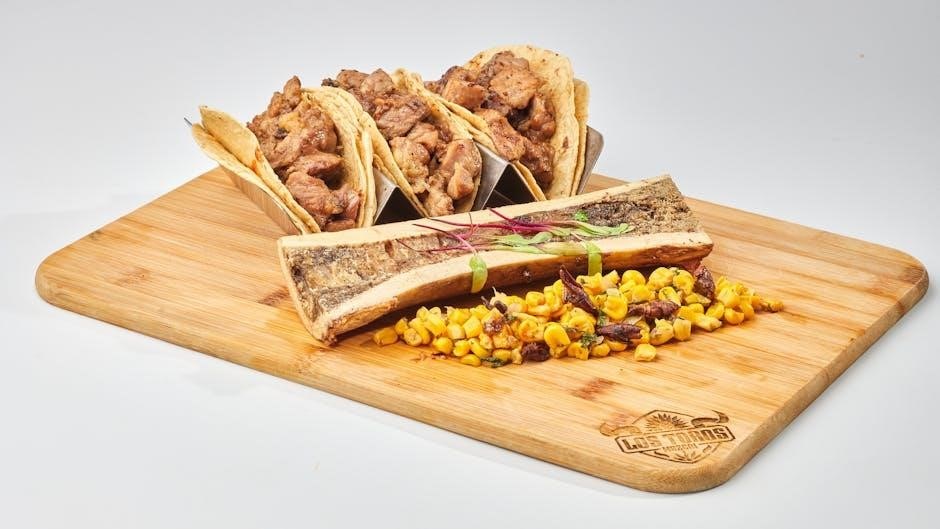
Essential Equipment for Smoking
Successful smoking requires a smoker, accurate thermometer (like the Meater Plus with Bluetooth!), and your choice of wood chips or pellets for desired flavor profiles.
Smokers: Types and Considerations
Smokers come in various forms, each offering unique benefits. Electric smokers provide consistent temperatures and ease of use, ideal for beginners. Charcoal smokers deliver classic smoky flavor but require more temperature control. Pellet smokers combine convenience with wood-fired taste, utilizing automated feeders.
Offset smokers, favored by pitmasters, demand skill in maintaining heat and smoke. Vertical water smokers excel at moisture retention, perfect for tender results. When choosing, consider your budget, experience level, and desired level of control. Size matters too – ensure it accommodates your typical meat quantities.
Proper ventilation and build quality are crucial for efficient smoking and longevity.
Thermometers: Ensuring Accurate Temperatures
Accurate temperature monitoring is paramount for safe and delicious smoked meat. Relying on feel alone is insufficient; a quality thermometer is essential. Digital instant-read thermometers provide quick surface temperature checks, while leave-in probes continuously monitor internal meat temperature.
Bluetooth-enabled thermometers, like the Meater Plus, offer remote monitoring via smartphone, providing convenience and peace of mind; Calibration is key – regularly verify your thermometer’s accuracy. Understanding target temperatures for different cuts ensures optimal doneness and food safety.
Investing in a reliable thermometer is a small price for consistently perfect results.
Wood Chips and Pellets: Flavor Profiles
The type of wood used dramatically impacts the final flavor of your smoked meat. Hickory imparts a strong, bacon-like flavor, ideal for ribs and pork shoulder. Mesquite delivers an even bolder, earthy taste, excellent with beef brisket. Fruitwoods, like apple or cherry, offer milder, sweeter notes, complementing poultry and pork.
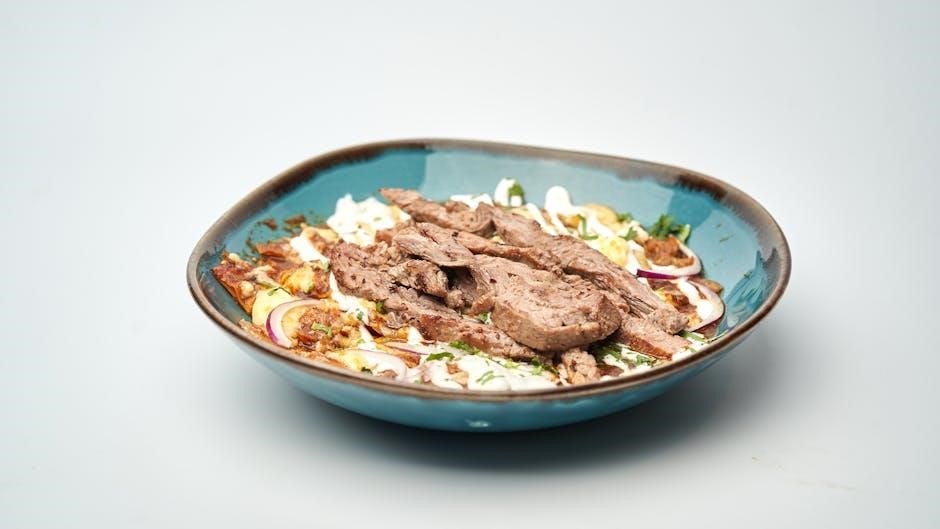
Wood pellets, commonly used in pellet smokers, provide consistent smoke and precise temperature control. Experimenting with blends allows for customized flavor profiles. Consider the meat type when selecting wood – balance is key to avoid overpowering the natural flavors.

Smoking Temperatures and Times
Achieving perfect results relies on precise temperature control and appropriate smoking times. Different meat cuts require varying heat levels and durations for optimal tenderness and flavor.
Beef Smoking Times and Temperatures
Beef brisket benefits from a consistent 225°F to 250°F, slowly absorbing smoky flavors over 12-18 hours. Short ribs require 225°F-250°F for 5-7 hours, reaching an internal temperature of 190°F-200°F.
Prime rib excels at 225°F-250°F, aiming for 135°F for medium doneness. Chuck roast, ideal for shredding, smokes beautifully at the same temperature range, typically needing 6-8 hours. Tri-tip, a quicker cut, cooks well at 250°F for approximately 2-3 hours.
Remember, these are guidelines; internal meat temperature is crucial for determining doneness, ensuring a juicy and flavorful outcome every time.
Pork Smoking Times and Temperatures
Pork shoulder (Boston butt) thrives at 225°F-250°F, requiring 8-12 hours to become incredibly tender, reaching an internal temperature of 195°F-203°F. Spare ribs also benefit from 225°F-250°F, needing 5-6 hours for fall-off-the-bone tenderness.
Baby back ribs, a quicker option, smoke well at 225°F-275°F for 4-6 hours. Meat loaf is best smoked at 250°F-300°F for around 3 hours, reaching 160°F. Pork belly, a rich cut, requires 225°F-275°F for 4-7 hours.
Consistent temperature control and monitoring internal meat temperature are key to perfectly smoked pork.
Poultry Smoking Times and Temperatures
Smoking a whole chicken demands a temperature of 225°F to 250°F, typically taking 6-8 hours to reach an internal temperature of 165°F. Chicken thighs and legs, benefiting from lower and slower cooking, are best at 250°F to 275°F for 3-5 hours.
Turkey, a larger bird, requires more time – around 8-12 hours at 225°F-275°F, ensuring it reaches 165°F. Maintaining consistent temperature is crucial for safe and flavorful poultry.
Remember to monitor the internal meat temperature diligently using a reliable thermometer for optimal results and food safety.
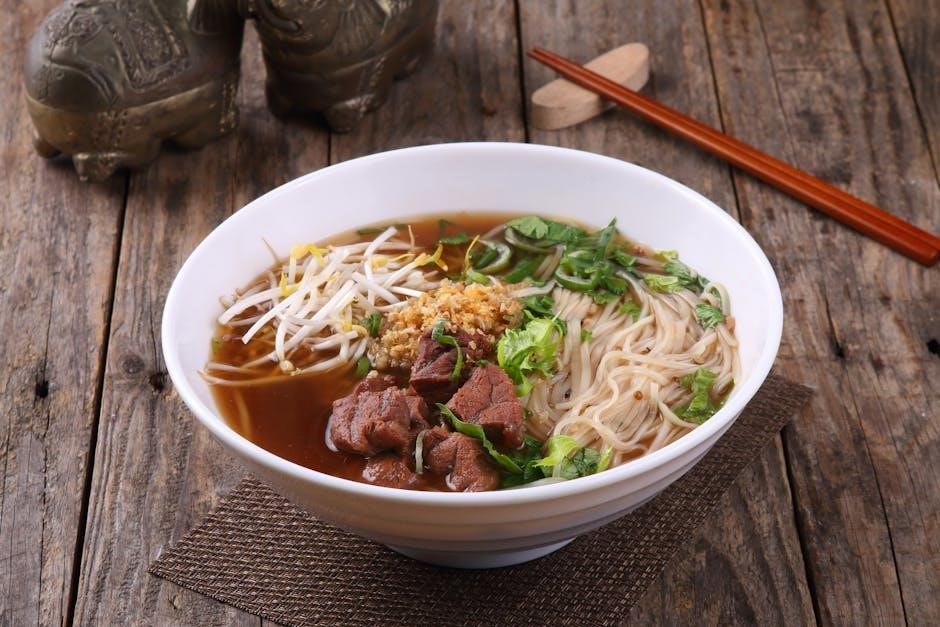
Preparing the Meat for Smoking
Proper meat preparation is key to successful smoking. This involves trimming excess fat, thoughtfully seasoning with rubs or marinades, and considering brining for enhanced moisture.
Trimming and Seasoning
Trimming excess fat from your meat is crucial, but leave a thin layer for moisture and flavor during the long smoking process. For brisket, shape it for even cooking. Seasoning is where creativity shines!
Dry rubs, blends of spices, create a flavorful bark. Apply generously and allow to sit for several hours, or even overnight, for deeper penetration. Alternatively, marinades add moisture and tenderize, but can hinder bark formation.
Consider the meat type; beef benefits from robust rubs, while poultry pairs well with lighter, herb-based seasonings. Don’t be afraid to experiment and find your perfect flavor profile!
Brining vs. Dry Rubs
Brining involves submerging meat in a saltwater solution, enhancing moisture retention and seasoning throughout. It’s ideal for leaner cuts like poultry, preventing dryness during smoking. However, brining can sometimes result in a softer texture.
Dry rubs, conversely, create a flavorful crust or “bark” on the surface. They don’t penetrate as deeply as brines but offer intense flavor and textural contrast. Rubs are excellent for beef and pork, where a good bark is desired.
Ultimately, the choice depends on the cut and desired outcome. You can even combine both techniques for maximum flavor and moisture!
Injecting Marinades
Injecting marinades is a technique to infuse meat with flavor and moisture deep within, bypassing the limitations of surface rubs or brines. It’s particularly effective for larger, thicker cuts like brisket or pork shoulder, ensuring consistent seasoning.
Marinades typically consist of a liquid base (broth, juice) combined with seasonings, acids (vinegar, citrus), and sometimes sugar. Use a marinade injector to distribute the liquid evenly throughout the meat.
Be mindful not to over-inject, as this can make the meat mushy. It’s a powerful method for enhancing flavor and tenderness!

The Smoking Process: Step-by-Step
Begin by preheating your smoker, maintaining a consistent temperature. Add wood chips, monitor internal meat temperature, and replenish wood as needed for optimal smoke flavor.
Maintaining Consistent Temperature
Achieving consistent temperature is paramount for successful smoking. Fluctuations drastically impact the final product’s texture and flavor. Regularly monitor your smoker’s thermometer, making adjustments to vents or fuel source as needed.
Digital controllers offer precise temperature regulation, simplifying the process. For offset smokers, practice adjusting dampers to find the sweet spot. Remember, low and slow is key – typically between 225°F and 250°F for most meat.
Avoid frequently opening the smoker, as this releases heat and smoke. Patience is crucial; let the smoker do its work, and trust the process for tender, flavorful results.
Adding Wood Chips/Pellets
The type of wood significantly impacts the meat’s flavor profile. Hickory provides a strong, bacon-like smoke, while mesquite offers a bold, earthy taste. Fruit woods like apple or cherry impart a milder, sweeter flavor, ideal for poultry or pork.
Wood chips require frequent replenishment, typically every 30-60 minutes, while pellets offer a set-it-and-forget-it convenience. Ensure wood is dry for optimal smoke production.
Experiment with blends to create unique flavor combinations. Adding wood chips or pellets introduces the essential smoky essence, transforming ordinary meat into a culinary delight within your smoker.
Monitoring Internal Meat Temperature
Accurately tracking the meat’s internal temperature is crucial for safety and achieving desired doneness. Relying solely on time is unreliable; variations in meat thickness and smoker temperature necessitate precise monitoring.
Insert a meat thermometer into the thickest part of the cut, avoiding bone. Bluetooth thermometers, like the Meater Plus, offer remote monitoring via smartphone, providing convenience and real-time updates.
Consistent monitoring ensures the meat reaches a safe internal temperature, guaranteeing a delicious and safe final product. Knowing the precise temperature is key to perfect results.
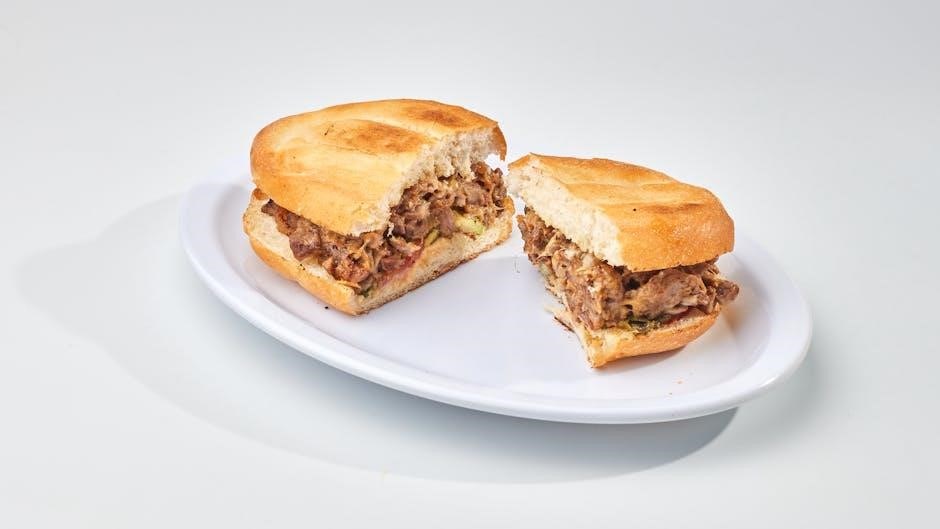
Meat Temperature Guide
Achieving perfect doneness relies on internal meat temperature. Use a reliable thermometer to ensure safety and flavor, ranging from rare to well-done, as desired.
Rare, Medium-Rare, Medium, Well-Done
Understanding internal meat temperatures is crucial for achieving your desired level of doneness. For beef, rare is around 135°F, offering a cool, red center. Medium-rare, at 145°F, provides a warm red center, while medium, 160°F, boasts a warm pink center.
Moving towards more cooked options, medium-well is 170°F with a slightly pink center, and well-done, at 180°F+, results in a fully cooked, brown interior. Poultry requires higher temperatures for safety; 165°F is the recommended minimum. Pork benefits from 190-203°F for tenderness.
Always use a reliable meat thermometer to verify these temperatures for optimal results and food safety.
Using a Meat Thermometer Effectively
A meat thermometer is your most valuable tool for successful smoking. Insert the probe into the thickest part of the meat, avoiding bone, fat, or gristle for accurate readings. Digital thermometers, like the Meater Plus, offer remote monitoring via Bluetooth, providing convenience and precision.
Ensure the probe is properly calibrated for reliable results. Check temperatures in multiple spots to confirm consistency. Remember carryover cooking – the temperature will continue to rise slightly after removal from the smoker.
Regular monitoring prevents over or undercooking, guaranteeing perfectly smoked meat every time.
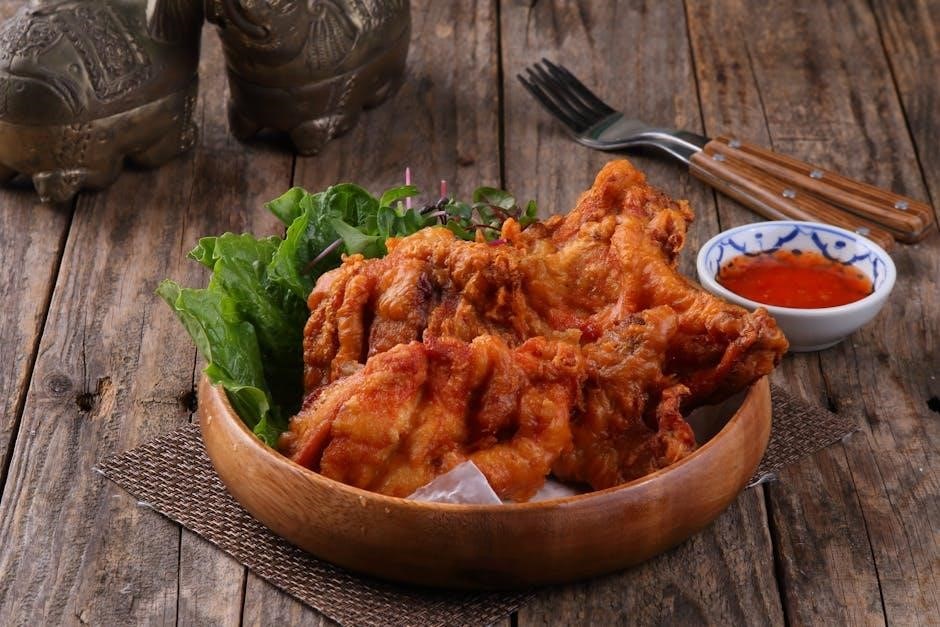
Resting and Serving Smoked Meat
Resting allows juices to redistribute, resulting in incredibly tender and flavorful meat. Slice against the grain for maximum tenderness, and present your masterpiece with pride!
Importance of Resting
Resting smoked meat is arguably as crucial as the smoking process itself. During cooking, muscle fibers contract, squeezing out moisture. Immediately slicing disrupts this, releasing all those flavorful juices onto the cutting board instead of remaining within the meat.
Allowing the meat to rest – typically 30 minutes to an hour, or even longer for larger cuts like brisket – enables the fibers to relax and reabsorb those precious liquids. This results in significantly juicier, more tender, and more flavorful slices.
Cover loosely with foil or butcher paper to maintain temperature while resting, but avoid sealing tightly, as this can steam the meat and soften the bark.
Slicing and Presentation
Proper slicing dramatically impacts the enjoyment of your smoked meat. Always slice against the grain of the muscle fibers – identifying the direction is key for tenderness. For brisket, this means finding the grain and rotating the flat to slice perpendicular to it.
Sharp knives are essential for clean cuts. Presentation elevates the experience; consider arranging slices artfully on a platter, perhaps with a drizzle of the rendered fat or a sprinkle of your rub.
Garnishes like pickled onions or fresh herbs add visual appeal and complementary flavors, completing the culinary masterpiece you’ve created.
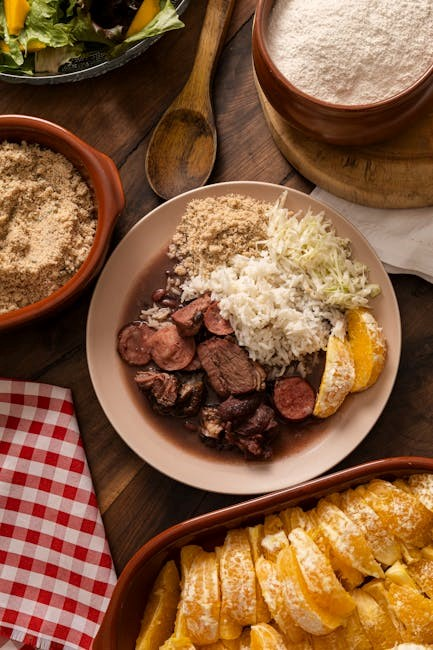
Troubleshooting Common Smoking Issues
Even skilled pitmasters encounter challenges. Common problems include insufficient smoke, often solved by adding more wood, and meat drying out – maintain moisture with spritzes or water pans.
Meat Not Smoking Enough
Insufficient smoke is a frequent issue, impacting the final flavor profile of your smoked meat. Several factors contribute to this problem. First, ensure your wood chips or pellets aren’t saturated; damp wood smolders instead of producing clean smoke.
Secondly, verify adequate airflow within your smoker. Restricted airflow hinders proper combustion; Check vents and ensure they are open enough to allow oxygen to reach the wood source.
Finally, consider the type of wood used. Some woods produce more smoke than others. Experiment with different varieties to find what works best for your smoker and desired flavor. Adding a handful of wood chips more frequently can also help maintain consistent smoke.
Meat Drying Out
Dryness is a common pitfall when smoking meat, especially during extended cook times. Maintaining moisture is crucial for tenderness and flavor. A water pan placed inside the smoker helps regulate humidity, preventing excessive moisture loss from the meat.
Additionally, consider spritzing the meat periodically with apple juice, water, or a flavorful marinade. This adds moisture and enhances the bark formation.
Lower smoking temperatures also contribute to retaining moisture, as higher heat accelerates drying. Finally, avoid over-trimming fat, as it renders during cooking, basting the meat from within.