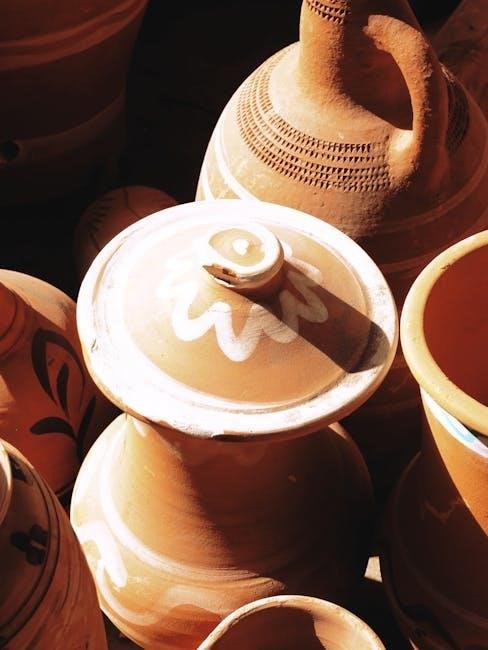
McCoy Pottery Value Guide: A Comprehensive Overview (Updated 02/02/2026)
McCoy pottery, cherished from the early 1900s to the 1960s, ranges dramatically in price—from a modest $5 to exceeding $3000, depending on rarity and condition.
Historical Background of McCoy Pottery
The story of McCoy Pottery begins in Roseville, Ohio, in September 1899, with the establishment of J.W. McCoy Pottery. However, the landscape was already crowded; twelve other significant potteries, including Roseville, Weller, Burley & Winter, and J.B. Owens, were already thriving in the region. This created a fiercely competitive environment from the outset.
J.W. McCoy initially focused on producing utilitarian stoneware and, later, expanded into art pottery. The company quickly gained recognition for its innovative designs and affordability, appealing to a broad consumer base. Throughout the early 20th century, McCoy adapted to changing tastes, embracing Art Deco and other popular styles. This adaptability was crucial to its sustained success and eventual rise to prominence as a leading American pottery manufacturer. The early years laid the foundation for the diverse and collectible pieces that define McCoy Pottery today.
The Founding of J.W. McCoy Pottery (1899)
J.W. McCoy Pottery officially commenced operations in Roseville, Ohio, during September of 1899, marking the beginning of a significant chapter in American pottery history. The founder, J.W. McCoy, envisioned a company that could blend functionality with artistic expression, catering to a growing demand for decorative and practical stoneware.
Initially, the company concentrated on producing practical stoneware items, serving local agricultural and household needs. However, McCoy quickly recognized the potential of the burgeoning art pottery market. This led to a gradual shift towards more ornate and aesthetically pleasing pieces. The founding year positioned McCoy within a well-established pottery community, immediately facing competition from established names like Roseville and Weller, demanding innovation and quality from the start.
Early Competition in the Roseville, Ohio Pottery Scene
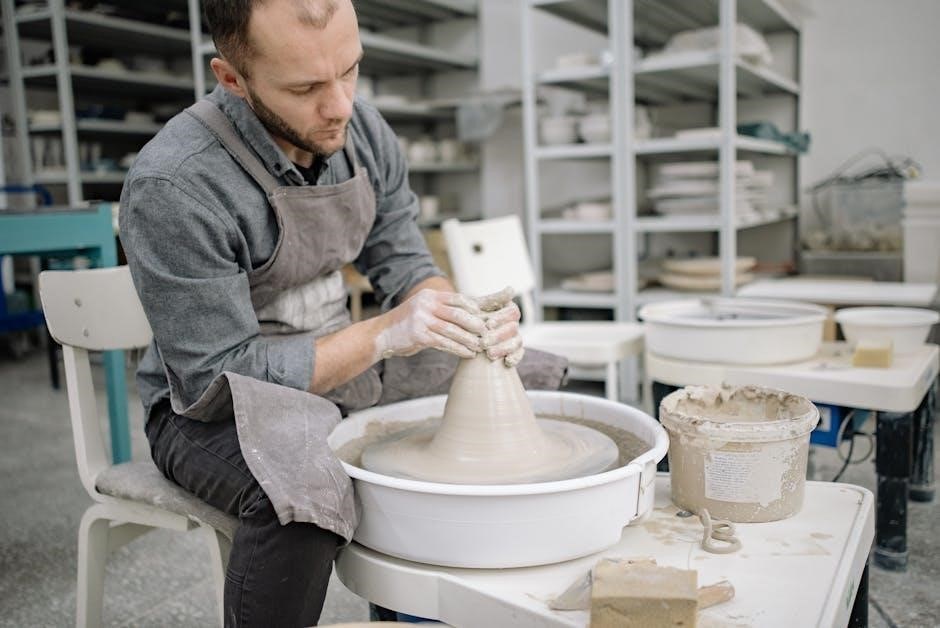
In 1899, Roseville, Ohio, was already a thriving hub for pottery production, presenting J.W. McCoy with a fiercely competitive landscape. Twelve established potteries, including prominent names like Roseville Pottery, Weller, Burley & Winter, and J.B. Owens, already dominated the market. This dense concentration of skilled artisans and manufacturers demanded that McCoy differentiate itself to survive and prosper.
The existing potteries had already cultivated strong reputations for quality and design. McCoy’s initial strategy involved focusing on both functional stoneware and gradually incorporating artistic elements to appeal to a broader customer base. Navigating this competitive environment required innovation in both production techniques and aesthetic styles, pushing McCoy to constantly refine its offerings and establish its unique identity within the established Ohio pottery scene.
Key Periods in McCoy Pottery Production
McCoy Pottery’s production spanned several distinct periods, each influencing its style and collectible value. The early years (1899-1910s) focused on utilitarian stoneware, garden wares, and practical items. The 1920s and 30s saw a shift towards more decorative pieces, influenced by Art Deco designs, and the introduction of vibrant colors.
Post-World War II (1940s-1960s) marked the height of McCoy’s popularity, characterized by whimsical collectible items like cookie jars – featuring iconic designs like the Puppy and Cauliflower Mammy – and planters; Later periods saw changes in ownership and production methods, impacting the consistency and desirability of pieces. Understanding these periods is crucial for collectors assessing authenticity and value.
The Rise of Popularity: Early 1900s to 1960s
McCoy Pottery experienced its greatest surge in popularity from the early 1900s through the 1960s, becoming a staple in American homes. This era coincided with increased affordability and a growing middle class seeking decorative items. The company successfully catered to this demand with simple, yet uniquely designed pieces boasting striking shapes, patterns, and endearing colors.
The introduction of collectible items, particularly the charming cookie jars, significantly fueled this rise. McCoy’s ability to blend functionality with aesthetic appeal, alongside its accessible price point, cemented its place in American pottery history. This period represents the “golden age” for McCoy collectors today, with pieces from this time commanding the highest prices.

Identifying McCoy Pottery Marks
McCoy pottery identification relies on distinct marks: the Crown in Barrel, Happy Face, and various cookie jar emblems like the Globe, Locomotive, and Puppy designs.
The Crown in Barrel Mark
The “Crown in Barrel” mark is arguably the most recognizable and earliest hallmark of J.W. McCoy Pottery, utilized extensively during the company’s formative years. This iconic emblem, depicting a crown positioned within the outline of a barrel, signifies authenticity and often commands a premium among collectors. Variations exist within this mark; early iterations may appear hand-painted, while later versions demonstrate a more refined, factory-applied consistency.
Understanding the nuances of this mark is crucial for accurate identification. The presence of the Crown in Barrel generally indicates a piece originating from the earlier period of McCoy’s production, potentially increasing its value. However, it’s important to note that the mark alone doesn’t guarantee high worth; condition, rarity, and design also play significant roles in determining overall value. Careful examination of the mark’s details—its clarity, application, and any accompanying lettering—can provide valuable clues about a piece’s age and origin.
The Happy Face Mark
The “Happy Face” mark, a cheerful and instantly recognizable symbol, represents a later period in McCoy Pottery’s history, primarily appearing from the 1940s through the 1960s. This mark features a simple, smiling face often incorporated directly into the pottery’s base. While seemingly straightforward, variations in the face’s design – the size of the eyes, the curve of the smile – can offer subtle clues regarding a piece’s specific production timeframe.

The Happy Face mark doesn’t automatically equate to high value, but it’s a strong indicator of genuine McCoy production. Collectors often seek pieces bearing this mark, appreciating its nostalgic appeal and association with mid-century design. As with all McCoy marks, assessing the piece’s overall condition, rarity, and aesthetic qualities remains paramount in determining its market worth. The presence of this mark, coupled with desirable characteristics, can significantly enhance a piece’s collectibility.
Cookie Jar Marks: A Collector’s Focus
McCoy cookie jars are highly sought after by collectors, and their markings are a crucial aspect of authentication and valuation. Specific cookie jar designs – like the Globe, Locomotive, and Thinking Puppy – often feature unique marks differing slightly from the standard McCoy signatures. These variations are often smaller and impressed into the base, making them sometimes difficult to locate.
Identifying these specialized marks requires careful examination. Collectors pay close attention to the font style, size, and placement of the mark. The presence of a specific cookie jar mark, combined with the jar’s design and condition, significantly impacts its value. Researching known variations for each design is essential for accurate identification and appraisal. These marks represent a focused area within McCoy collecting, offering dedicated enthusiasts a rewarding pursuit.
The Globe Cookie Jar Mark
The Globe Cookie Jar, a classic McCoy design, features a distinctive mark often found impressed into the base. This mark isn’t always the standard McCoy “Crown in Barrel” or “Happy Face,” but a variation specific to this popular cookie jar. Collectors should carefully examine the base for a smaller, sometimes fainter, impressed mark indicating McCoy’s authorship.
The presence and clarity of this Globe-specific mark significantly influence the jar’s value. Variations in the mark’s impression – depth, completeness – can also affect collectibility. Condition is paramount; a Globe Cookie Jar with a clear, well-defined mark and minimal damage commands a higher price. Identifying this mark correctly is crucial for accurate appraisal and authentication within the McCoy pottery market;
The Locomotive Cookie Jar Mark
The Locomotive Cookie Jar, another highly sought-after McCoy piece, presents unique marking considerations for collectors. Like the Globe jar, it doesn’t consistently bear the typical McCoy marks. Instead, look for a specific impressed mark on the base, often smaller and less prominent than the standard “Crown in Barrel.” Identifying this mark requires careful examination and comparison with known examples.
The clarity and completeness of the Locomotive mark directly impact value. Damage, such as chips or cracks, will diminish the jar’s worth, even with a correct mark. Misidentification is common, as similar locomotive designs were produced by other potteries. Accurate identification of the McCoy mark is essential for determining authenticity and establishing a fair market price within the McCoy pottery collecting community.
The Thinking Puppy Cookie Jar Mark
The Thinking Puppy Cookie Jar represents a popular McCoy collectible, and its markings can be a point of confusion for novice collectors. Often, the standard McCoy marks – like the Crown in Barrel or Happy Face – are absent or faint. Instead, collectors should focus on identifying a specific impressed mark on the base, which can vary in size and clarity.

The presence and condition of this base mark are crucial for establishing authenticity and value. A clear, well-defined mark significantly increases the jar’s worth. Damage, such as chips to the ears or cracks in the ceramic, will negatively impact the price. Be wary of reproductions or pieces misattributed to McCoy due to similar designs from other pottery companies; careful mark verification is key.
Planter Marks and Their Significance
McCoy planters, highly sought after by collectors, often feature distinct markings that indicate age and authenticity. While the iconic Crown in Barrel and Happy Face marks appear on some planters, many utilize variations or specific marks tied to the planter’s design or production period. Identifying these marks is crucial for accurate valuation.
Early McCoy planters frequently bear impressed marks on the base, sometimes alongside mold numbers. Later planters may have paper labels, which are rarely preserved. The presence of a clear “USA” mark, while common after 1940, doesn’t guarantee McCoy origin; many companies adopted this practice. Collectors should carefully examine the clay, glaze, and overall style to confirm authenticity, alongside the mark.
The Cat Pottery Mark
The McCoy Cat pottery mark, adorning a beloved series of feline-themed pieces, is a significant identifier for collectors. These charming cat figurines and decorative items, produced primarily during the mid-20th century, command attention in the McCoy market. The mark itself typically appears as an impressed or painted depiction of a cat, often accompanied by the “McCoy” name or the company’s logo.
Variations in the cat mark exist, reflecting different production periods and styles. Identifying these nuances—such as the cat’s pose or the surrounding lettering—can help pinpoint a piece’s age and potential value. Condition plays a vital role; pristine examples with intact paint and no damage fetch higher prices.
The Squirrel Cookie Jar Mark
The McCoy Squirrel Cookie Jar represents a delightful and frequently sought-after piece within the McCoy pottery collection. Typically featuring a charming squirrel perched atop a tree stump or holding a nut, these cookie jars showcase the company’s ability to blend functionality with appealing design. Identifying the correct mark is crucial for authentication; look for impressed “McCoy” markings on the base, sometimes alongside other symbols.
Value is significantly impacted by the jar’s condition, with chips, cracks, or faded paint diminishing its worth. Original lids are highly desirable and contribute substantially to the overall price. Variations in glaze color and squirrel pose can also influence collector interest and market value, making detailed examination essential.
The Cauliflower Mammy Mark
The Cauliflower Mammy, a distinctive McCoy creation, depicts a smiling African American woman with a basket resembling a cauliflower on her head. These pieces, produced primarily in the 1950s, are now considered collectible, though their historical context is often debated due to potentially problematic imagery. Identifying authentic pieces requires careful examination of the base for the impressed “McCoy” mark, often accompanied by numbers indicating size or variations.
Value hinges on condition; pieces with damage or repairs are worth considerably less. Color variations – ranging from vibrant greens and yellows to softer pastels – also impact desirability. Due to their controversial nature, market prices can fluctuate, influenced by collector sentiment and ethical considerations.

Factors Influencing McCoy Pottery Value
Determining McCoy pottery’s worth involves assessing age, condition, rarity, and design appeal; the presence of a “USA” mark doesn’t always guarantee authenticity.
Age and Its Impact on Value
The age of a McCoy pottery piece significantly influences its value, though it’s not the sole determinant. Pieces originating from the earlier periods of production, particularly those crafted between the late 1899 founding and the mid-20th century, often command higher prices due to their relative scarcity and historical significance. However, simply being old doesn’t automatically equate to high value; condition plays a crucial role.
Early McCoy pieces, especially those showcasing innovative designs or techniques for their time, are highly sought after by collectors. As production methods evolved and McCoy pottery became more mass-produced, certain pieces from later years may be less valuable. Understanding the specific period a piece originates from, coupled with its overall condition and rarity, is essential for accurately assessing its worth in today’s market. Collectors often prioritize pieces that represent a specific era or style within McCoy’s extensive history.
Condition: Assessing Damage and Wear
The condition of McCoy pottery is paramount when determining its value; even minor flaws can significantly impact price. Collectors meticulously examine pieces for chips, cracks, crazing (fine lines in the glaze), repairs, and excessive wear. Pieces in pristine, mint condition naturally fetch the highest prices, representing the ideal for many collectors.
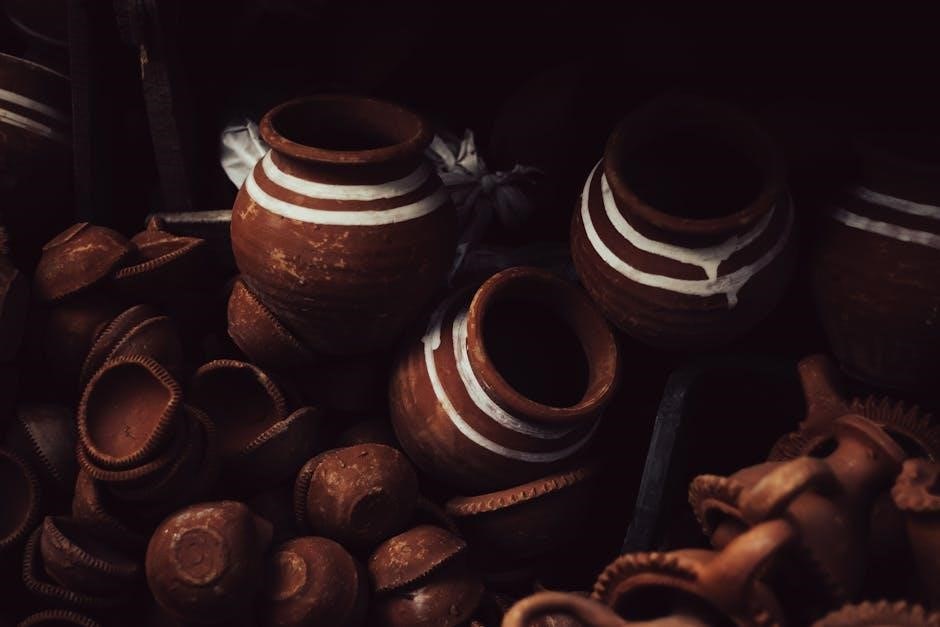
However, perfect condition is rare, especially with older items. Damage, even if subtle, diminishes value. A hairline crack, for example, can reduce a piece’s worth by a substantial percentage. Restoration attempts, while sometimes improving appearance, generally lower value unless expertly done and disclosed. Understanding the severity and visibility of any damage is crucial for accurate appraisal. Thorough inspection under good lighting is essential for both buyers and sellers.
Rarity: Limited Editions and Unique Pieces
Rarity is a key driver of McCoy pottery value, with limited editions and unique variations commanding premium prices. Pieces produced in small quantities, or those with unusual glazes or designs, are highly sought after by collectors. Identifying these rare finds requires research and familiarity with McCoy’s production history. Variations from standard molds, experimental pieces, or items produced for a short period contribute to increased scarcity.
Certain collectible lines, like specific cookie jars or planters, have particularly rare variations. Pieces with documented provenance—a clear history of ownership—can also increase value. The more unique and difficult to find a McCoy piece is, the greater its potential worth within the collector’s market. Scarcity directly translates to desirability.
Design and Aesthetic Appeal
Beyond rarity and condition, the design and aesthetic appeal of McCoy pottery significantly influence its value. Pieces exhibiting striking shapes, patterns, and endearing colors are consistently more desirable to collectors. The simple yet unique decorative qualities that defined McCoy’s work during its peak popularity (early 1900s to the 1960s) continue to resonate with buyers today.
Certain motifs, like floral designs, animal figures (particularly the popular cookie jars), and distinctive glazes, are highly prized. Pieces that exemplify mid-century modern aesthetics often command higher prices. Ultimately, subjective appeal plays a role; however, designs that capture the spirit of the era and demonstrate artistic merit generally hold greater value.
The “USA” Mark and Misidentification
The presence of a “USA” mark on pottery can be misleading when assessing McCoy value. While many companies began marking wares with “USA” starting in the 1940s to denote non-import status, this doesn’t automatically confirm authenticity. Misidentification frequently occurs due to similarities in design style and general aesthetic look between McCoy and other potteries.
Collectors should be cautious, as pieces are sometimes incorrectly attributed to McCoy simply because of glaze color resemblance or a combination of stylistic elements. Thorough research and comparison with known McCoy marks and characteristics are crucial. Relying solely on the “USA” mark is insufficient for accurate identification and valuation; it’s a common point of confusion.

Current Market Values & Price Ranges
McCoy pottery’s current market reflects wide variability, spanning from under $20 for common pieces to over $3000 for rare, pristine examples.
Low-End McCoy Pottery (Under $20)
Pieces falling into the under $20 category generally represent common McCoy items produced in large quantities during its peak production years. These are often smaller decorative items, simpler planters, or pieces exhibiting noticeable wear and tear. Expect to find many unmarked or minimally marked pieces within this price range, as the presence of a clear, desirable mark significantly increases value.
Common examples include basic floral-patterned vases, small animal figurines (without significant detail), and everyday dishware. While not exceptionally rare, these items offer an affordable entry point for new collectors or those seeking to add to a display without substantial investment. Condition is crucial; chips, cracks, or significant fading will further reduce the price. These pieces represent the accessible side of McCoy collecting, showcasing the company’s widespread production and enduring appeal.
Mid-Range McCoy Pottery ($20 ⸺ $200)
The $20 to $200 price bracket encompasses a wide variety of McCoy pieces that balance desirability with relative availability. Here, you’ll find items with more intricate designs, better condition, or clearer, more sought-after marks like the Crown in Barrel or Happy Face. Popular cookie jars – though not the rarest examples – often fall into this range, as do larger planters with appealing shapes and glazes.
Expect to encounter pieces with minor imperfections, but generally, items in this category are presentable and display well. Color variations and specific patterns can significantly impact value within this range. Collectors actively seek out pieces with vibrant, well-preserved glazes. This tier represents a sweet spot for many collectors, offering a good selection of attractive McCoy pottery without the high investment of rarer items.
High-Value McCoy Pottery ($200 ⸺ $3000+)
McCoy pottery exceeding $200 represents the upper echelon of collecting, featuring exceptional rarity, pristine condition, and highly desirable designs. Pieces in this range often include limited-edition items, unique prototypes, or examples of particularly sought-after patterns like certain Cauliflower Mammy variations. Early pieces, predating widespread marking practices, can also command premium prices.
Cookie jars with unusual forms or vibrant, flawless glazes frequently fall into this category, as do large, intricately decorated planters. Condition is paramount; even minor flaws can significantly reduce value. Pieces exceeding $3000 are typically exceptional examples – often with documented provenance or historical significance – representing the pinnacle of McCoy collecting.

Where to Buy and Sell McCoy Pottery
McCoy pottery finds eager buyers and sellers through online platforms like eBay, Etsy, and Ruby Lane, alongside antique stores, flea markets, auctions, and shows.
Online Marketplaces: eBay, Etsy, Ruby Lane
McCoy pottery enthusiasts frequently utilize online marketplaces to both acquire and divest themselves of treasured pieces. eBay, with its auction and fixed-price formats, presents a vast selection, demanding diligent research to ascertain fair market values and authenticate items. Etsy, known for its vintage and handmade goods, often features McCoy pottery offered by individual collectors and smaller antique dealers, providing a more curated experience.
Ruby Lane, specializing in antiques and collectibles, typically showcases higher-end McCoy pieces, often with detailed descriptions and provenance information. When navigating these platforms, carefully examine photographs, read seller reviews, and inquire about any potential damage or restoration. Comparing prices across multiple sites is crucial for securing the best possible deal, whether you’re a buyer or a seller. Remember to factor in shipping costs when evaluating the overall price.
Antique Stores and Flea Markets
Traditional avenues for discovering McCoy pottery remain popular among collectors: antique stores and flea markets. Antique stores often present curated selections, with pieces typically priced higher to reflect the dealer’s expertise and overhead costs. However, this also often means a greater assurance of authenticity and condition. Flea markets, conversely, offer the thrill of the hunt, potentially yielding remarkable finds at bargain prices, but requiring a more discerning eye.
Successful foraging necessitates careful inspection for damage, accurate identification of marks, and a solid understanding of current market values. Don’t hesitate to negotiate prices, especially at flea markets. Building relationships with local antique dealers can also provide access to exclusive pieces and early notifications of new acquisitions. Remember, patience and persistence are key to uncovering hidden McCoy treasures.
Pottery Auctions and Shows
For serious McCoy pottery collectors, auctions and dedicated pottery shows represent prime opportunities to acquire exceptional pieces. Auctions can generate competitive bidding, potentially driving up prices, but also offering the chance to secure rare items. Researching auction catalogs beforehand and establishing a bidding limit are crucial strategies. Pottery shows, conversely, provide a more relaxed environment to examine pieces closely and interact directly with sellers.
These events often feature specialized McCoy pottery dealers and collectors, fostering a community atmosphere and facilitating knowledge sharing. Attending shows allows for in-person authentication and condition assessment. Be prepared to travel, as significant pottery shows may be regionally concentrated. Thorough preparation, including a pre-defined budget and a clear understanding of desired pieces, will maximize your success.