
Fox Body Mustangs, renowned for their performance potential, often see modifications aimed at weight reduction and enhanced driver feel․ Converting to a manual steering rack is a popular choice, particularly among enthusiasts seeking a more direct connection to the road and a simplified system․
This modification presents unique considerations, especially when paired with heavier engine swaps like the 6․0L LS series, demanding careful evaluation of effort and handling characteristics․
What is a Fox Body Mustang?
The Fox Body Mustang, produced from 1979 to 1993, represents a significant era in Ford Mustang history․ Named for the Fox platform it utilizes, this generation encompassed a wide range of models, including the Mustang, Capri, and Thunderbird․ Its enduring popularity stems from its relatively lightweight construction, affordability, and substantial modification potential․
These Mustangs are highly sought after by enthusiasts for racing, drifting, and street performance builds․ The Fox Body’s solid rear axle and straightforward design make it an ideal candidate for upgrades, including engine swaps – a common practice where powerful engines like the LS series are installed․
The simplicity of the Fox Body also extends to its steering system, making it a prime target for conversions like switching from power to manual steering․ This change appeals to those aiming for a more raw and connected driving experience, reducing weight and complexity in the process․
Why Choose Manual Steering?
Opting for a manual steering rack in a Fox Body Mustang offers several compelling advantages for performance-minded drivers․ Primarily, it reduces vehicle weight by eliminating the power steering pump, hoses, and reservoir, contributing to improved overall handling and acceleration; This weight reduction is particularly beneficial in track or racing applications․

Furthermore, manual steering provides a more direct and tactile connection between the driver and the road․ The absence of hydraulic assistance translates to increased steering feel, allowing for greater precision and feedback․ Many enthusiasts appreciate this raw, unfiltered driving experience․
However, it’s crucial to acknowledge the increased effort required, especially at low speeds․ Despite this, many find the benefits outweigh the drawbacks, particularly when paired with a well-balanced chassis and appropriate tire selection, as noted by experienced Fox Body builders․

Understanding the Manual Steering System
Fox Body manual steering relies on direct mechanical linkage, transferring driver input to the wheels․ This contrasts sharply with power steering’s hydraulic assistance, offering a simpler, more responsive feel․
Components of a Fox Body Manual Steering Rack

The core of the system is the manual steering rack itself, a robust unit housing a pinion gear that meshes with a toothed rack․ This assembly translates rotational motion from the steering shaft into linear motion, directing the wheels․ Unlike power steering racks, it lacks hydraulic pistons or a pump․
Key components include the steering rack housing, providing structural support and containing the internal gears․ Tie rod ends connect the rack to the steering knuckles, transmitting force to turn the wheels․ Bellows boots protect the rack from contaminants, ensuring smooth operation and longevity․
The steering shaft, a crucial link, transmits the driver’s input to the pinion gear․ Mounting brackets securely attach the rack to the Fox Body’s chassis․ Finally, rubber bushings dampen vibrations and reduce noise, contributing to a more comfortable driving experience․ The simplicity of these components is a hallmark of the manual steering system․
Differences Between Manual and Power Steering
The fundamental difference lies in assistance․ Power steering utilizes hydraulic pressure to reduce steering effort, employing a pump, hoses, and a control valve․ Manual steering, conversely, relies entirely on the driver’s muscle power to move the steering rack․
Weight is a significant factor; manual steering systems are considerably lighter, contributing to overall vehicle weight reduction․ Feel and feedback are often enhanced in manual setups, providing a more direct connection to the road․ However, this comes at the cost of increased effort, particularly at low speeds or during parking maneuvers․
Complexity is another key distinction․ Manual systems are simpler, reducing potential failure points and maintenance requirements․ Power steering, with its numerous components, is more prone to leaks and pump failures․ Choosing between the two depends on prioritizing convenience versus driver engagement and simplicity․

Installation and Compatibility
Successful conversion demands careful component selection and modification, notably the steering shaft․ Ensuring compatibility across various Fox Body years (1979-1993) is crucial for a seamless fit․
Identifying the Correct Manual Rack for Your Fox Body
Choosing the right manual steering rack is paramount for a successful and enjoyable conversion․ Not all racks are created equal; the “stripper model” rack, known for its slower ratio, is frequently recommended for street applications, especially when coupled with a heavier engine like a 6․0L․ This slower ratio reduces steering sensitivity, making the car more manageable at higher speeds and less twitchy overall․
Conversely, a quicker ratio rack might be preferred for dedicated track use, offering more responsive steering but potentially requiring more effort during low-speed maneuvers․ It’s vital to consider your intended use case․ Furthermore, verifying the rack’s physical dimensions and mounting points against your specific Fox Body year is essential to avoid compatibility issues․ Researching vendor specifications and reading forum discussions (like those on LS1TECH) can provide valuable insights into which racks others have successfully used in similar builds․
Pay attention to the included hardware and whether any additional components, such as bushings or mounting brackets, are required for a complete installation․
Steering Shaft Modifications
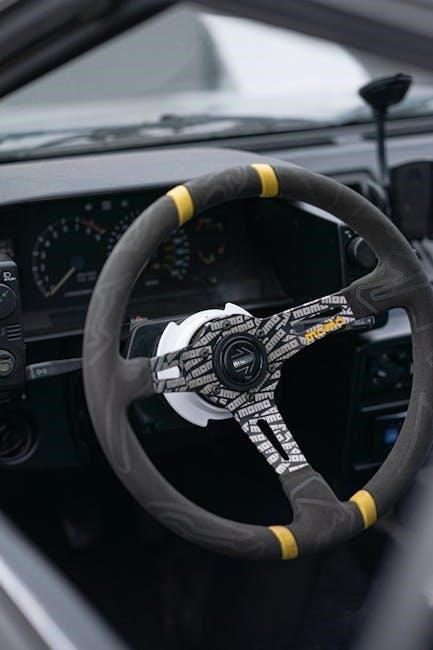
A crucial aspect of the manual rack conversion involves modifying the steering shaft․ The original power steering shaft is incompatible with the manual rack due to differences in spline count and length․ Fabricating or purchasing a new steering shaft is, therefore, unavoidable․ This often requires welding and careful measurement to ensure proper alignment and functionality․
Many enthusiasts opt to have a custom shaft professionally made, guaranteeing a precise fit and eliminating potential safety concerns․ Alternatively, skilled DIYers can tackle the modification themselves, but meticulous attention to detail is paramount․ Ensuring the shaft’s length is correct prevents binding or excessive play in the steering system․
Proper U-joint angles are also critical for smooth operation and longevity․ Ignoring these modifications can lead to poor steering feel, vibrations, and even potential failure of the steering system․
Compatibility with Different Fox Body Years (1979-1993)
Generally, manual steering racks are largely interchangeable across the entire 1979-1993 Fox Body Mustang range․ However, subtle differences exist that warrant consideration․ Early models (1979-1986) may require minor adjustments to mounting points or steering linkage compared to later SN95-era Fox Bodies (1987-1993)․
The steering shaft modification remains consistent across all years, necessitating a custom or adapted shaft regardless of the specific Fox Body year․ Ensuring the chosen rack’s ratio aligns with the intended use is vital; a slower ratio is often preferred for street applications, offering easier maneuverability at low speeds․
While physical fitment is usually straightforward, verifying compatibility with existing suspension components, such as headers or aftermarket control arms, is recommended to avoid potential interference issues during installation․

Driving Experience and Considerations
Switching to a manual rack noticeably alters the driving feel, demanding more physical effort, especially at standstill or low speeds, but providing a more connected experience․
Street Driving with a Manual Rack and Heavy Engine
Navigating daily driving with a Fox Body Mustang equipped with a manual steering rack and a heavier engine, such as a 6․0L, presents a unique set of considerations․ While some drivers report minimal issues, particularly with stock-ish tire setups, others experience increased effort, especially when maneuvering at very low speeds or during parking․
The added weight of the engine amplifies the force required to turn the wheels without power assistance․ However, many enthusiasts find that once the vehicle is in motion, the increased effort becomes less noticeable, and the direct steering feel enhances the driving experience․ It’s crucial to acknowledge that this setup isn’t ideal for everyone, and those accustomed to power steering may find the transition challenging․
The “stripper model” slow-ratio rack is often recommended for street use, as it provides a more manageable steering feel compared to faster-ratio options․ Ultimately, the suitability of a manual rack depends on individual preferences and the intended use of the vehicle․
Effort Required at Low Speeds
The most significant drawback of a manual steering rack on a Fox Body, particularly with a heavier engine, is the increased effort required at low speeds․ Maneuvering in parking lots, making U-turns, or navigating tight spaces demands considerably more physical strength compared to a power steering system․
Drivers often report that the steering becomes “slightly heavy” when the wheels are fully locked, requiring a firm grip and substantial force to turn the wheel․ This is especially noticeable when the engine isn’t running, as there’s no assistance from the power steering pump․
While some adapt quickly, others may find this level of effort fatiguing during prolonged low-speed driving․ Careful consideration should be given to this aspect, especially for those who frequently drive in urban environments or prefer a more effortless steering experience․ It’s a trade-off for the enhanced feel and simplicity․
Impact on Handling and Responsiveness
Switching to a manual steering rack fundamentally alters the driving experience, offering a more direct and connected feel to the road․ Many enthusiasts praise the increased responsiveness and feedback, allowing for precise steering inputs and a better understanding of what the front tires are doing․
The elimination of power steering assistance removes any “vagueness” or artificial feel, providing a raw and unfiltered connection․ This can be particularly beneficial for performance driving, where quick and accurate steering corrections are crucial․
However, it’s important to note that the increased effort also translates to a more physically demanding driving experience․ While some appreciate this, others may find it tiring during extended periods․ The “stripper model” slow ratio rack is often recommended for a manageable balance between feel and usability․

Common Problems and Solutions
Fox Body manual steering racks, particularly Flaming River units, can experience internal issues․ Diagnosis often involves checking for leaks and binding, with repair potentially requiring a rebuild or replacement․
Flaming River Steering Rack Issues
Flaming River steering racks, a common choice for Fox Body manual conversions, are sometimes reported to have specific issues․ While offering a performance-oriented solution, some users have encountered problems requiring diagnosis and repair․ A frequently cited concern revolves around internal rack binding, leading to stiff steering, particularly at lower speeds or full lock․
This binding can manifest as difficulty turning the wheel, especially when parking or maneuvering in tight spaces․ Another reported issue involves leaks developing within the rack itself, potentially stemming from seals or fittings․ These leaks can compromise steering feel and necessitate fluid replacement․
Fortunately, many of these issues are addressable․ A thorough inspection can pinpoint the source of the problem, and rebuild kits are available for some Flaming River racks․ Alternatively, professional repair services specializing in steering systems can offer solutions․ It’s crucial to address these issues promptly to maintain safe and responsive steering․
Diagnosing Steering Rack Problems
Diagnosing issues with a Fox Body manual steering rack requires a systematic approach․ Begin by checking for external leaks around the rack housing, hoses, and fittings․ Inspect the steering shaft connection for play or looseness, as this can mimic rack problems․ A key indicator is inconsistent steering effort – noticeably stiffer in one direction or at certain steering angles․
To pinpoint internal rack issues, have someone slowly turn the steering wheel lock-to-lock while you observe the tie rod ends for smooth, equal travel․ Binding or hesitation suggests internal friction․ Listen for unusual noises, like grinding or popping sounds, during steering input․
Carefully assess the steering feel at low speeds; excessive effort is a common symptom․ Remember that a manual rack will require more effort than power steering, but it shouldn’t be excessively difficult․ A visual inspection of the rack’s internal components may be necessary for conclusive diagnosis․
Repairing Common Manual Steering Rack Issues
Repairing a Fox Body manual steering rack often depends on the nature of the problem․ External leaks can sometimes be addressed by tightening fittings or replacing worn seals, though internal leaks usually necessitate a rebuild or replacement․ Binding within the rack frequently stems from dried-out or damaged internal components;
A complete rebuild involves disassembling the rack, cleaning all parts, and replacing worn bushings, seals, and potentially the piston․ This requires specialized tools and knowledge․ For Flaming River racks, documented issues sometimes involve internal valve adjustments; consulting forums can provide specific guidance․
If the steering shaft connection is the culprit, tightening or replacing the U-joints and splines can resolve play․ However, severely damaged racks are often best replaced, considering the labor involved in a rebuild․ Always prioritize safety and proper torque specifications during reassembly․

Cost and Resources
Manual steering rack conversions typically range from $300 to $800, depending on the brand and features․ Online retailers and Mustang-specific forums are excellent resources for purchasing components․
Cost of Manual Steering Rack Conversion
The financial investment for converting a Fox Body Mustang to manual steering varies considerably, influenced by component choices and whether you opt for a complete kit or source parts individually․ A basic, used manual rack can be found for around $200-$300, but these often require rebuilding or may have inherent wear․
New manual steering racks, particularly from reputable brands like Flaming River, generally fall within the $500-$800 range․ These offer improved reliability and often come with necessary hardware․ Beyond the rack itself, factor in the cost of a new steering shaft – essential as the original is incompatible – which can add another $100-$200․
Additional expenses might include new steering shaft U-joints, hoses (if applicable), and potentially a steering wheel adapter․ Labor costs, if you’re not performing the installation yourself, can range from $300 to $600, depending on your location and mechanic’s rates․ Budgeting $800-$1500 is a realistic expectation for a complete, quality conversion․

Where to Purchase Manual Steering Racks
Sourcing a manual steering rack for your Fox Body Mustang offers several avenues, catering to different budgets and preferences․ Online retailers like Summit Racing Equipment and Jegs High Performance are excellent starting points, providing a wide selection of new racks from brands like Flaming River and Borgeson․ These sites often feature detailed product descriptions and customer reviews․
eBay can be a viable option for used racks, but exercise caution and thoroughly inspect the seller’s feedback and the rack’s condition․ Local performance shops specializing in Ford Mustangs frequently stock manual steering components or can order them for you․
Mustang-specific forums and marketplaces often have classified sections where enthusiasts sell used parts, potentially offering good deals․ Directly from manufacturers like Flaming River allows for customization and ensures genuine parts․ Remember to verify compatibility with your specific Fox Body year before purchasing․