
Fly fishing guide schools provide comprehensive training for aspiring guides, teaching essential skills like techniques, safety, and environmental ethics, preparing students for a rewarding career in fly fishing.
Definition and Purpose of Fly Fishing Guide Schools
Fly fishing guide schools are specialized institutions that train individuals to become professional fly fishing guides. These schools focus on teaching the necessary skills, knowledge, and ethics required to lead safe and successful fishing trips. Their purpose is to equip students with expertise in fishing techniques, environmental conservation, and client interaction, preparing them for a career in the fly fishing industry while promoting sustainable fishing practices and outdoor education.
Importance of Guide Schools in the Fly Fishing Industry
Fly fishing guide schools play a crucial role in maintaining high standards within the industry. They ensure guides are well-trained, knowledgeable, and skilled, enhancing client experiences. By fostering professionalism, these schools contribute to the industry’s growth and sustainability. They also emphasize safety and environmental ethics, which are vital for preserving ecosystems. Ultimately, guide schools help create a network of competent guides who uphold the sport’s integrity and promote its future success.
What Makes a Good Fly Fishing Guide School?
A good fly fishing guide school offers experienced instructors, hands-on training, and a curriculum covering safety, environmental ethics, and business skills, ensuring well-rounded preparation for a guiding career.
Key Characteristics of Reputable Fly Fishing Guide Schools
Reputable fly fishing guide schools emphasize hands-on training, experienced instructors, and small class sizes. They focus on safety, environmental ethics, and practical skills. Schools often provide access to diverse fishing locations, ensuring well-rounded experience. Mentorship programs and real-world scenarios prepare students for guiding careers. A strong reputation in the industry and alumni success are key indicators of a school’s quality and effectiveness in producing skilled fly fishing guides.
Certifications and Accreditation Standards
Certifications and accreditation standards ensure fly fishing guide schools meet industry benchmarks. Reputable schools obtain recognition from organizations like the International Federation of Fly Fishers. These certifications validate curriculum quality, instructor expertise, and safety protocols. Accreditation ensures schools provide comprehensive training, preparing students for professional guiding careers. Standards often include both theoretical and practical assessments, guaranteeing graduates meet the high expectations of the fly fishing industry.

Curriculum and Training Programs
Fly fishing guide schools offer comprehensive curriculum and hands-on training, combining theoretical knowledge with practical skills to prepare students for successful careers as professional fly fishing guides.
Core Subjects Taught in Fly Fishing Guide Schools
Fly fishing guide schools teach essential skills like casting techniques, knot tying, and gear maintenance. Students learn fish behavior, entomology, and water reading to locate fish effectively. Safety protocols, first aid, and emergency procedures are emphasized. Environmental ethics and conservation practices are also covered to promote sustainable fishing. These subjects ensure graduates are well-rounded, knowledgeable, and prepared to lead successful and responsible fly fishing expeditions.
Practical vs. Theoretical Learning
Practical learning in fly fishing guide schools involves hands-on experience, such as on-water training and real-world scenarios, while theoretical learning focuses on classroom instruction covering techniques, safety, and ethics. Both are essential, with practical experience refining skills and theoretical knowledge providing a foundational understanding. This balanced approach ensures students are well-prepared for the challenges of guiding, combining real-world application with critical thinking and problem-solving abilities.
Role of Instructors in Fly Fishing Guide Schools
Instructors in fly fishing guide schools are experienced professionals who provide expert training, mentorship, and hands-on guidance, ensuring students master both technical and interpersonal skills for success.
Qualifications and Experience of Instructors
Instructors at fly fishing guide schools are typically seasoned professionals with extensive experience in the field. Many hold certifications from recognized organizations and have years of guiding under their belts. Their expertise spans advanced fishing techniques, safety protocols, and environmental awareness. These instructors often bring real-world insights, having navigated diverse fishing conditions and client scenarios. Their passion for fly fishing and teaching ensures students receive practical, hands-on training tailored to industry demands.
Teaching Methods and Mentorship
Fly fishing guide schools emphasize hands-on training, combining theoretical knowledge with practical on-water experience. Experienced instructors provide personalized mentorship, guiding students through real-world scenarios to refine their skills.
Mentorship programs foster a supportive learning environment, helping students build confidence and professionalism. This approach ensures graduates are well-prepared to handle diverse guiding situations effectively.
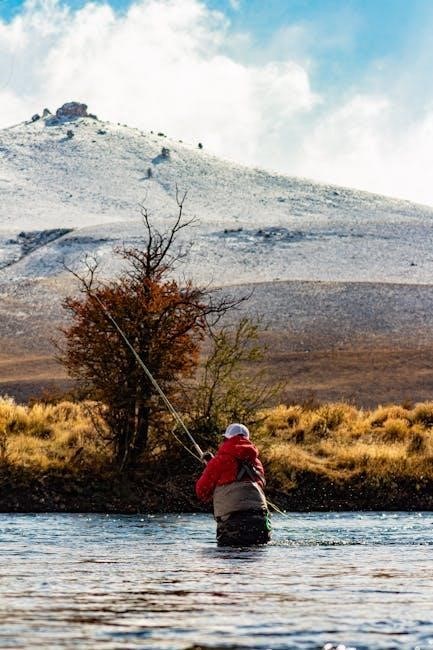
Choosing the Right Fly Fishing Guide School
Research schools based on reputation, experienced instructors, hands-on training, and alumni success to find a program that aligns with your career goals and learning style.
Factors to Consider When Selecting a School
When choosing a fly fishing guide school, consider factors like reputation, instructor experience, and hands-on training opportunities. Ensure the program offers a comprehensive curriculum and practical experience. Location and accessibility are also crucial, as well as reviews and testimonials from alumni. Additionally, evaluate the school’s commitment to safety, environmental ethics, and career development support to ensure it aligns with your goals and provides a well-rounded education.
Reviews and Testimonials from Alumni
Alumni often praise fly fishing guide schools for their hands-on training and expert instructors. Many highlight the program’s ability to prepare them for real-world guiding scenarios. Graduates frequently mention the strong foundation in both technical and interpersonal skills, which they credit for their success. Positive testimonials emphasize the supportive learning environment and the lasting connections made. Many alumni describe their experience as a life-changing opportunity that launched their careers. Schools with high alumni satisfaction are often highly recommended.
Hands-On Training and Field Experience
Importance of On-Water Training
Hands-on training in real-world scenarios enhances guide skills, ensuring practical expertise in diverse fishing conditions and client interactions, crucial for professional success.
Importance of On-Water Training
On-water training is crucial for fly fishing guides, as it provides hands-on experience in real-world conditions. It helps develop instincts, refine techniques, and build confidence in handling various fishing scenarios. Practical learning enhances problem-solving skills and prepares guides to adapt to unpredictable environments, ensuring they can effectively teach and guide clients in diverse water conditions.
Real-World Scenarios and Simulations
Fly fishing guide schools incorporate real-world scenarios and simulations to prepare students for actual guiding situations. These exercises include emergency preparedness, client interactions, and environmental practices, ensuring practical application of skills. Simulations mimic diverse fishing conditions and challenges, helping students build confidence and adaptability. This hands-on approach equips future guides with the ability to handle unexpected events and provide exceptional client experiences, bridging the gap between theory and real-world application effectively.
Business and Career Development
Fly fishing guide schools equip students with marketing strategies, networking techniques, and career growth opportunities, helping them establish successful guiding businesses and thrive in the industry.
Building a Career as a Fly Fishing Guide
Building a career as a fly fishing guide requires dedication, passion, and a strong foundation in both fishing techniques and client interaction. Guide schools equip students with the skills to transition from enthusiasts to professionals, offering hands-on experience and mentorship. Graduates gain the confidence and expertise to lead successful fishing trips, ensuring safety and memorable experiences for clients. Networking and marketing strategies are also emphasized to help guides establish a thriving career in this rewarding field.
Marketing and Networking Strategies
Effective marketing and networking are crucial for fly fishing guide schools to attract students and build industry connections. Schools often leverage social media, websites, and partnerships with local businesses to promote their programs. Networking opportunities, such as industry events and alumni connections, help graduates establish careers. Building a strong online presence and engaging with the fly fishing community can significantly enhance a school’s visibility and reputation.
Safety and Ethics in Fly Fishing Guiding
Safety protocols and emergency preparedness are crucial, ensuring guides can respond effectively to on-water incidents. Environmental ethics emphasize conservation and sustainable practices to protect ecosystems and wildlife.
Safety Protocols and Emergency Procedures
Safety is paramount in fly fishing guide schools, with rigorous training on first aid, emergency response plans, and hazard assessment. Guides learn to navigate unpredictable water conditions, inclement weather, and client medical emergencies. Protocols include proper use of safety gear, evacuation strategies, and communication techniques. These measures ensure client safety and preparedness for any situation that may arise during fishing excursions.
Environmental Ethics and Conservation Practices
Fly fishing guide schools emphasize environmental ethics and conservation practices to ensure sustainable fishing and protect ecosystems. Students learn to minimize waste, use eco-friendly gear, and promote conservation efforts. These practices help preserve fish populations and habitats, ensuring a healthy environment for future generations. By teaching responsible fishing methods, guide schools foster a culture of stewardship, benefiting both the environment and the fishing community.
Alumni Success Stories
Notable alumni have built reputable careers as fly fishing guides, starting successful guide services and contributing to conservation efforts, showcasing the schools’ impactful mentorship and training.
Notable Alumni and Their Achievements
Fly fishing guide schools have nurtured many successful professionals who have made significant contributions to the industry. Notable alumni include experienced guides like John Smith, who became a renowned fly fishing instructor, and Sarah Johnson, who founded a successful guide service. Many graduates have also been recognized for their conservation efforts, earning prestigious awards for their dedication to preserving fish habitats and promoting sustainable fishing practices.
How Guide Schools Contribute to Success
Fly fishing guide schools play a pivotal role in launching successful careers by providing hands-on training, mentorship, and access to professional networks. Their structured programs ensure graduates are well-prepared to handle real-world challenges, fostering confidence and expertise. Schools often connect students with experienced guides, offering invaluable insights and opportunities. This combination of practical skills and industry connections significantly enhances alumni’s chances of thriving in the competitive fly fishing guiding profession.
Cost and Financial Considerations
Tuition fees vary widely, with options for payment plans and scholarships available to help students manage expenses and invest in their fly fishing career.
Tuition Fees and Payment Options
Tuition fees for fly fishing guide schools vary by institution, with costs ranging from a few thousand to tens of thousands of dollars. Many schools offer flexible payment plans, loans, or scholarships to help students manage expenses. Some programs also provide discounts for early enrollment or bundle gear and equipment costs into the tuition. Payment options often include credit cards, checks, or installment plans, ensuring accessibility for aspiring guides.
Scholarships and Financial Aid Opportunities
Fly fishing guide schools often offer scholarships and financial aid to help students manage tuition costs. These opportunities can include merit-based awards, industry-sponsored grants, or need-based assistance. Many schools partner with conservation organizations or local businesses to provide funding. Applicants are encouraged to explore these options early, as they can significantly reduce financial barriers. Such support ensures aspiring guides can pursue their passion without undue financial strain, fostering a diverse and skilled workforce in the fly fishing industry.
Location and Accessibility
Prime fishing locations and accessible facilities ensure students can easily reach campuses, with options catering to both domestic and international learners seeking quality fly fishing education.
Benefits of Different School Locations
Different locations offer unique advantages, such as proximity to diverse water bodies, varied fish species, and distinct ecosystems. Urban schools may provide easier access to resources, while rural locations offer immersive, natural environments. Coastal vs. inland settings expose students to different fishing challenges and techniques. Each location enhances learning by providing real-world experience tailored to specific fishing conditions, preparing graduates for a wide range of guiding opportunities worldwide.
Accessibility for Domestic and International Students
Fly fishing guide schools often cater to both domestic and international students, offering flexible programs and support services. Many schools provide visa assistance, language support, and scholarships for international applicants. Locations are typically chosen for accessibility, with nearby accommodations and transportation options. Some schools also offer online or hybrid learning formats, making it easier for students from various regions to participate and gain the necessary skills for a successful guiding career.
Scheduling and Flexibility
Fly fishing guide schools offer flexible scheduling options, including full-time and part-time programs, to accommodate different lifestyles and commitments, ensuring accessibility for all aspiring guides.
Full-Time vs. Part-Time Programs
Fly fishing guide schools offer both full-time and part-time programs, catering to different student needs. Full-time programs provide immersive, accelerated training, ideal for those committed to quick career entry. Part-time options offer flexibility, allowing students to balance education with work or personal life. Both paths cover essential skills but vary in pacing and time commitment, ensuring accessibility for diverse learners aiming to become professional fly fishing guides.
Online vs. In-Person Learning Options

Online learning offers flexibility and accessibility, ideal for those balancing other commitments, while in-person programs provide hands-on training and direct instructor interaction. Many schools now offer hybrid models, combining both methods to cater to diverse student needs. Online courses often include virtual simulations and video tutorials, while in-person classes emphasize real-time practice and feedback. Choosing the right option depends on personal preferences, learning style, and the ability to engage effectively with the material.

Gear and Equipment
Fly fishing guides rely on high-quality rods, reels, lines, leaders, and flies. Essential gear includes waders, boots, and fishing vests. Durable equipment ensures longevity and performance.
Essential Gear for Fly Fishing Guides
A fly fishing guide needs high-quality gear, including durable rods, reels, and lines designed for various conditions. Essential items also include a wide selection of flies, leaders, tippet, and waders. A sturdy net, first aid kit, and reliable footwear are crucial for both safety and efficiency. Guides often carry extra gear for clients, ensuring everyone is well-equipped for a successful fishing experience. Proper gear maintenance is also emphasized to prolong equipment life and performance.
Equipment Maintenance and Care
Proper maintenance of fly fishing gear is essential for longevity and performance. Regular cleaning removes dirt and grime, while storing rods in cases and reels in dry places prevents damage. Inspecting for worn parts, like leaders and flies, ensures functionality. Using appropriate cleaning products maintains gear quality. Organizing equipment post-cleaning keeps it ready for the next outing, ensuring reliability and extending the life of each component effectively.

Continuing Education and Professional Development
Continuing education ensures fly fishing guides stay updated on techniques, safety, and environmental practices, fostering professional growth and adaptability in the ever-evolving fly fishing industry.
Importance of Ongoing Learning
Ongoing learning is crucial for fly fishing guides to stay updated on techniques, environmental changes, and industry trends. Continuous education ensures guides remain knowledgeable and adaptable, providing exceptional client experiences. Just as aviation professionals rely on real-time data for safety and efficiency, fly fishing guides benefit from ongoing learning to refine skills and address evolving challenges, ensuring they remain competent and effective in their profession.
Workshops and Advanced Courses
Workshops and advanced courses in fly fishing guide schools offer specialized training, refining skills in techniques, gear maintenance, and client communication. These programs, led by experienced instructors, provide hands-on learning and real-world insights, helping guides stay updated on industry trends and enhance their career prospects. They also offer networking opportunities, fostering professional growth and excellence in the field of fly fishing guiding.
Community and Networking Opportunities
Fly fishing guide schools foster strong connections through alumni networks, industry events, and mentorship programs, helping graduates build lasting relationships and career opportunities within the fly fishing community.
Building a Professional Network
Building a professional network is crucial in the fly fishing industry. Guide schools often host events, workshops, and alumni meetups, connecting students with experienced guides, instructors, and industry professionals. These connections can lead to job opportunities, mentorship, and lifelong partnerships. Schools encourage collaboration and camaraderie, fostering a supportive community that extends beyond graduation. A strong network not only enhances career prospects but also provides ongoing support and resources for professional growth.
Alumni Communities and Support Systems
Alumni communities offer lifelong support, fostering connections among graduates and industry professionals. These networks provide mentorship, job opportunities, and resources for continued growth. Many schools host alumni events, workshops, and online forums, ensuring graduates stay engaged and updated on industry trends. Such support systems play a crucial role in helping alumni build successful careers and maintain professional relationships within the fly fishing community.

Conclusion
Fly fishing guide schools provide invaluable training, equipping aspiring guides with essential skills and knowledge, fostering a successful and fulfilling career in the fly fishing industry.
Final Thoughts on Fly Fishing Guide Schools
Fly fishing guide schools offer a pathway to a fulfilling career, blending passion for the outdoors with professional expertise. They equip students with the skills, knowledge, and ethics needed to excel as guides, fostering a deep connection with nature and a commitment to conservation. For those passionate about fly fishing, these schools provide the ideal foundation to turn their enthusiasm into a successful and rewarding profession.
Encouragement to Pursue a Career in Fly Fishing Guiding
Pursuing a career in fly fishing guiding offers a fulfilling path for outdoor enthusiasts. It combines a passion for nature, teaching, and adventure, allowing guides to inspire others while exploring pristine waters. The sense of community and personal growth is unparalleled, making it a rewarding choice for those eager to share their love for fly fishing and make a lasting impact on others’ lives.